

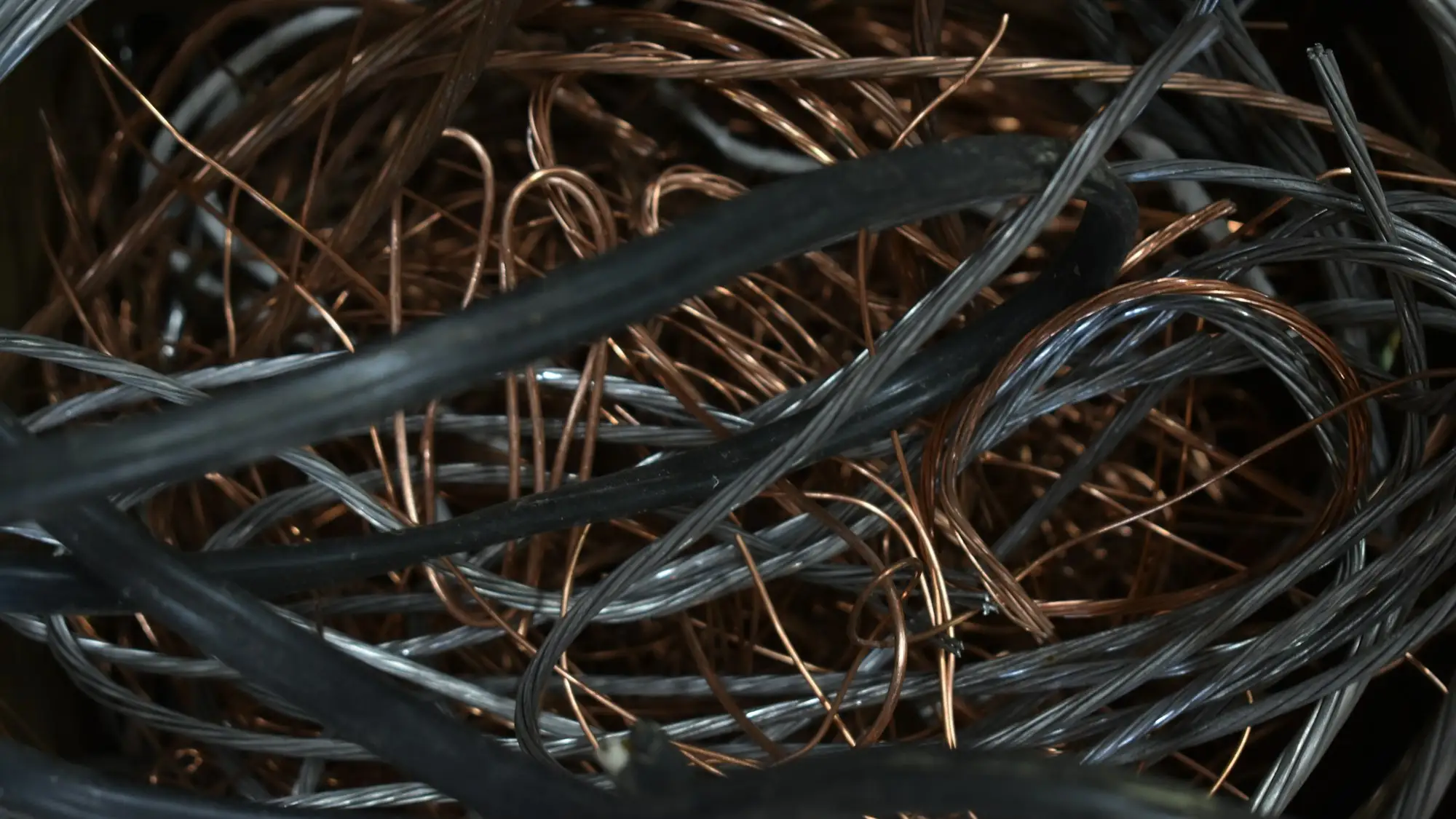
Metals & Steels
Copper sourcing and trading
ROXAY Trading sources and trades copper as concentrate, refined cathode and semi-finished product for refiners, wire and cable manufacturers and industrial processors.
At a glance
- Category
- Metals & Steels
- Typical buyers
- Refiners, wire and cable manufacturers, processors, distributors
- Specification drivers
- Form, purity grade, applicable standard
- Traded forms
- Concentrate, cathode, semi-finished (wire, tube, sheet)
- Purity grades
- Blister composition by assay; refined cathode to the agreed grade
- Reference exchanges
- LME benchmark, SHFE and COMEX for regional liquidity
- Common Incoterms
- FOB, CIF, CFR — set per transaction
- Priority markets
- China, India, Pakistan, Africa, wider Asia
Copper Trading & Global Supply
Copper, due to its excellent electrical and thermal conductivity, is considered a strategic non-ferrous metal and the most sensitive barometer of global economic growth and industrial production (“Doctor Copper”).
What Is Copper Trading?
Copper trading is the buying and selling of refined copper and copper concentrate on the international markets. Copper is one of the most widely used metals in the world because of its electrical conductivity, thermal conductivity, resistance to corrosion and malleability. This is used for many purposes such as electrical cables, motors, transformers, electronic devices, pipes, roofing materials and coins.
Copper is traditionally traded via standard contracts on exchanges like the London Metal Exchange (LME), Comex (New York) and Shanghai Futures Exchange (SHFE). These exchanges set prices that are used as a benchmark for the world market in copper.
Copper is traded both in physical delivery transactions and through futures contracts. In physical trading, refined copper cathodes, copper wires, copper pipes, and copper alloys are bought and sold. In futures trading, the price of copper for delivery on a certain date is established today. Copper is traded between mining companies, smelting plants, refineries, traders, producers and financial investors. Copper is also an investment vehicle. Investors use financial instruments such as futures and options to profit from changes in the price of copper.
How Is Copper Traded Globally?
Copper is traded both as a physical commodity and on futures exchanges.
- London Metal Exchange (LME) — The leading exchange considered as the global benchmark.
- Shanghai Futures Exchange (SHFE) and COMEX — Other major sources of regional and global liquidity
- Treatment and Refining Charges (TC/RCs) — Critical rates that set the price of processing copper concentrate between mine producers and smelters.
Price differences between exchanges can create arbitrage opportunities. Trading in copper typically takes place through standard contracts. These contracts are agreements to deliver copper of a certain quality at a certain delivery date.
Physical copper trading occurs directly between mining companies and smelting plants and refineries. The copper concentrate is sent to smelters, where it is smelted to produce blister copper for further refining. Blister copper is refined into 99.99% pure cathode copper through an electrolytic refining process at refineries. The cathode copper is then processed into semi-finished products such as wire, pipe and sheet. Copper trade is carried out by sea transport. Copper cathodes are mostly transported in containers or in bulk. Hedging against price risk is done quite often in copper futures and options trading. Also, payment methods such as letters of credit (L/C) provide security between the buyer and the seller.
Global Copper Supply and Demand
Mining production, refining capacity and industrial demand largely drive the global supply and demand balance for copper. Copper is mined in many parts of the world, the largest producers being Chile, Peru, China, the Democratic Republic of the Congo, the USA, Australia, Russia, Zambia, Canada and Mexico. Chile and Peru are important sources of mined copper. Production shares vary by year. The Democratic Republic of the Congo is known for its high-quality copper deposits.
China is a major producer and the largest consumer. However, domestic production is not sufficient, and it imports large quantities of copper concentrate and refined copper. The electrical and electronics sectors, construction, automotive, machinery manufacturing and renewable energy projects all demand copper. In particular, new areas that increase the demand for copper are electric vehicles, wind turbines, solar panels and energy storage systems.
Copper is also used extensively in infrastructure investments; water pipes, electrical grids, telecommunications cables and building installations are common applications of copper. Globally, demand for copper is driven by economic growth, urbanisation, technology developments and environmental regulations.
On the supply side, mining investment, ore grades, production costs, labour strikes, environmental permits and geopolitical risk are the main determinants. The grade of copper mines has been deteriorating through the years; this is increasing production costs and is making new mine investments harder.
What Determines Copper Prices?
Copper prices are affected by many factors, including supply and demand, economic indicators, inventory levels, currency exchange rates, geopolitical events, speculative trading, and energy prices.
The main factor is the growth of the world economy, especially China’s. China is a major consumer of copper. Therefore, construction, manufacturing and infrastructure investments in China have a direct impact on copper demand and prices. Copper demand is also affected by the growth rate of other major economies such as the United States, the European Union and Japan.
On the supply side, prices can be driven up by production disruptions in major copper mines, labour strikes, natural disasters, declines in ore grades, and delays in new mine projects. Stock levels, such as copper stocks on exchanges including LME, SHFE and Comex, provide important signals about the supply-demand balance. Falling stocks generally support prices; rising stocks weigh on them. Copper prices are affected by exchange rates, and especially the value of the US dollar, because copper is traded in dollars. A stronger dollar can make copper more expensive for buyers using other currencies, and that can curb demand.
Geopolitical developments, trade wars, sanctions and tariffs could affect copper trade and prices. Speculative transactions can cause short-term price changes in futures markets.
Energy costs, especially electricity and fuel prices, influence copper production costs and thus prices. Moreover, long-term factors such as environmental regulations and carbon taxes can also affect the supply and prices of copper.
Global Copper Market Trends
Some major trends in the world copper market have been observed in recent years. The main trend is the higher demand for copper from the energy transition and electric vehicle production. Copper requirements in vehicles vary with drivetrain design and electrical systems. Charging stations, electrical grids and renewable energy systems also make intensive use of copper. Therefore, the rise in the global electric vehicle sales and the acceleration in renewable energy investments will drive the copper demand in the long run.
Another trend of challenges is in the mining sector. Grades of copper mines are decreasing, new mining projects meet environmental and social resistance, and production costs are rising. This situation produces a shortfall in supply relative to demand, driving up prices. Digitalisation and sustainability are also growing in importance in copper trading. Digital platforms enable more transparency and efficiency in trade processes; ESG criteria are increasingly taken into account in supplier selection and contracts.
Another big trend is recycling copper, because recycling copper requires less energy than creating it from primary sources and has less impact on the environment. Apart from China, India, Southeast Asia and Middle Eastern countries are also emerging as significant buyers in the global copper trade. The demand for copper is increasing due to the investments in infrastructure and industrialisation in these countries.
Futures markets are growing in importance as copper prices fluctuate. Investors use futures and options to hedge the risk of the price of copper.
Copper Demand in China
China is a major consumer of copper. China’s demand for copper mainly comes from the electrical and electronics sectors, the construction sector and the manufacturing industry.
China is building the world’s biggest electrical grids and increasing investments in renewable energy. These investments depend on large quantities of copper wire, transformers and motors.
Moreover, China’s rapid urbanisation, housing projects, metro lines, airports, and other infrastructure projects continuously feed the demand for copper. The demand for copper in China may vary according to the speed of economic growth, government policies and global trade conditions.
China’s copper imports are still very high and are dominant in the global market. Most of China’s copper consumption is met via imports; the country imports copper concentrate and refined copper from Chile, Peru, Australia, Democratic Republic of the Congo, and Zambia. Also, Chinese companies are trying to boost supply security with investments in copper mines abroad.
Copper Demand in India
Copper requirements in India span wire and cable production, electrical equipment, construction and industrial manufacturing. Buyers may require concentrate for processing, refined cathode or semi-finished products, depending on their production route.
A requirement should state the product form, purity, applicable standard, delivery point and intended use. Assay, inspection and documentation requirements need to be agreed before the cargo is contracted.
Copper and Global Industrial Demand
Copper is one of the basic ingredients of world industrial production. Copper is used mainly in the electrical and electronics industries in electrical cables, motors, transformers, generators, circuit boards and electronic devices.
Copper is used in the construction industry for water pipes, roofing, plumbing and building accents. In the automotive industry copper is used in electrical cables, engines, radiators and brake systems. Copper is used in machine manufacturing for bearings, gears, valves and heat exchangers.
In the renewable energy sector, copper is used in wind turbines, solar panels, inverters and energy storage systems. Copper is also used in coins, musical instruments, kitchen utensils and decorative objects.
As industrial production grows globally, copper demand is increasing. But copper demand is sensitive to economic cycles; when the economy slows, industrial production falls, and so does demand for copper.
Technological developments also influence the demand for copper. For example, electric vehicles and 5G technology are new areas which boost the demand for copper.
Copper in the Energy Transition
One of the most important factors increasing the demand for copper is the energy transition. Renewables use a lot more copper than fossil fuels. Copper intensity varies by technology, system design and the basis used for comparison.
Electric vehicles require copper in motors, wiring and charging systems. In addition, a lot of copper is required to modernise electrical grids, energy storage systems and charging stations. So with the global energy transition picking up speed, demand for copper will increase. The International Energy Agency (IEA) and others expect copper demand to rise significantly in the coming years. However, copper supply is expected to struggle to keep up with this demand, as opening new copper mines takes a long time and the grade of existing mines is falling. This situation may cause copper prices to stay high in the long run.
The energy transition also drives the recycling of copper, which consumes less energy than primary production and has a lower environmental impact. But recycling alone will not be enough to meet the ever-growing demand. At the same time we need to increase investment in copper mining and refining.
Global Copper Supply Chain
The global copper supply chain is a complex process that goes from the mine to the final product. The copper mines are the first link in the chain. Copper is mined via open pit or underground mining methods. The extracted ore is processed to produce copper concentrate by crushing, grinding and flotation.
Concentrate of copper usually contains 25-35% copper and is sent to smelting plants. The concentrate gets melted in smelting facilities to get blister copper, an intermediate product whose composition must be confirmed by assay. Blister copper is shipped to refineries, where it is turned into 99.99% pure cathode copper using the process of electrolysis.
Then cathode copper is refined into semi-finished products such as wire, pipe, sheet, strip and alloy. These semi-finished products are transformed into electrical cables, motors, electronic devices, pipes and other end-products.
The copper supply chain encompasses mining companies, smelters, refineries, semi-finished product makers, final product makers, traders, and logistics companies. The activities like quality control, inventory management, logistics planning, and financing are done at each stage of the chain.
Recycling is also part of the copper supply chain; scrap copper is collected, sorted and re-refined to become cathode copper. Factors such as geopolitical risks, natural disasters, labour strikes, environmental regulations, and logistical disruptions can affect the global copper supply chain. Thus, companies are trying to diversify their supply chains and increase their resilience.
Copper Market Outlook
So the future of the copper market will depend on the balance between supply and demand in the next few years. On the demand side, the energy transition, electric vehicles, investments in renewable energy, urbanisation and infrastructure projects will boost demand for copper. And the growth in China, India and Southeast Asian countries will underpin the demand for copper.
On the supply side, declining grades of copper mines, delays in new mine projects, environmental and social opposition, labour strikes and geopolitical risks will make it difficult for supply to catch up with demand. This outlook can change due to economic slowdown, trade wars, pandemics, technological advancements, etc. In some applications copper can be replaced by aluminium, reducing the demand for copper. There will be a slight reduction in the demand for primary copper as copper recycling increases.
What a buyer needs to define
- Form — concentrate, cathode or a semi-finished product.
- Purity and composition — including the impurity limits the end use can tolerate.
- Applicable standard — where the buyer’s market or customer enforces one.
- Volume and cadence — per shipment, and whether it repeats.
- Discharge port and Incoterm.
How ROXAY handles a copper trade
We qualify supply against form and purity before anything else, since those two decide which sources are even relevant. From there we agree the inspection and assay regime, structure the commercial terms including the payment instrument, and coordinate delivery against the agreed Incoterm.
Mines, origin countries, suppliers and routes are not published.
Questions buyers ask
In which forms does ROXAY Trading supply copper?
Sourcing is done against the form the buyer specifies and what is available at the time of the enquiry. Form and purity grade are the two variables that decide which suppliers can serve a copper requirement.
Why does purity matter so much in a copper enquiry?
Copper's value and its behaviour in processing are both tied closely to purity. A small deviation from the specified grade changes what the material can be used for downstream, so purity is treated as a contractual term rather than an approximation.
Who buys copper through ROXAY Trading?
Typical buyers are refiners, wire and cable manufacturers, industrial processors, distributors and traders supplying manufacturing bases across Asia and Africa.
How is copper quality confirmed?
Against the specification written into the contract, with independent assay and inspection arranged at the agreed point where the size or sensitivity of the cargo warrants it.
In what form is copper traded?
Most international trade is in refined cathode at around 99.99 per cent purity, which is the exchange-deliverable standard. Concentrate trades separately between mines and smelters, priced net of treatment and refining charges, and semi-finished products such as wire, tube and sheet trade against their own specifications. Which form a buyer needs determines the entire sourcing route.
Why do copper prices move so much?
Because copper demand tracks industrial activity closely enough to be read as an economic indicator, and because supply responds slowly. A mine disruption, a strike or a permitting delay cannot be offset quickly, while demand shifts with construction, manufacturing and now the energy transition. Exchange inventory levels, the US dollar and speculative positioning amplify the result.
More in Metals & Steels
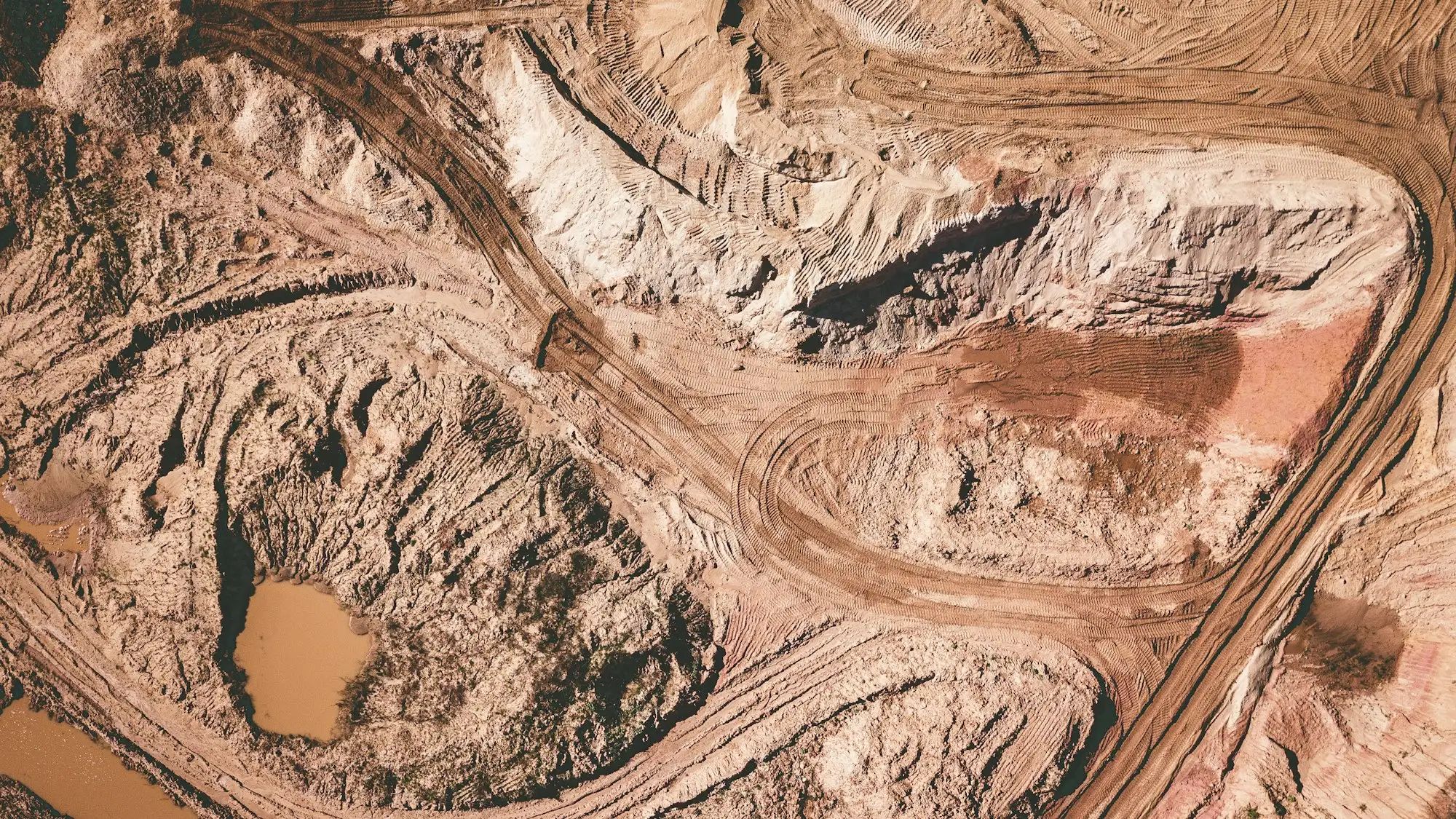
Iron Ore
ROXAY Trading sources and trades iron and iron ore for steel mills, industrial consumers and importers, qualified against grade, Fe content and delivery route.
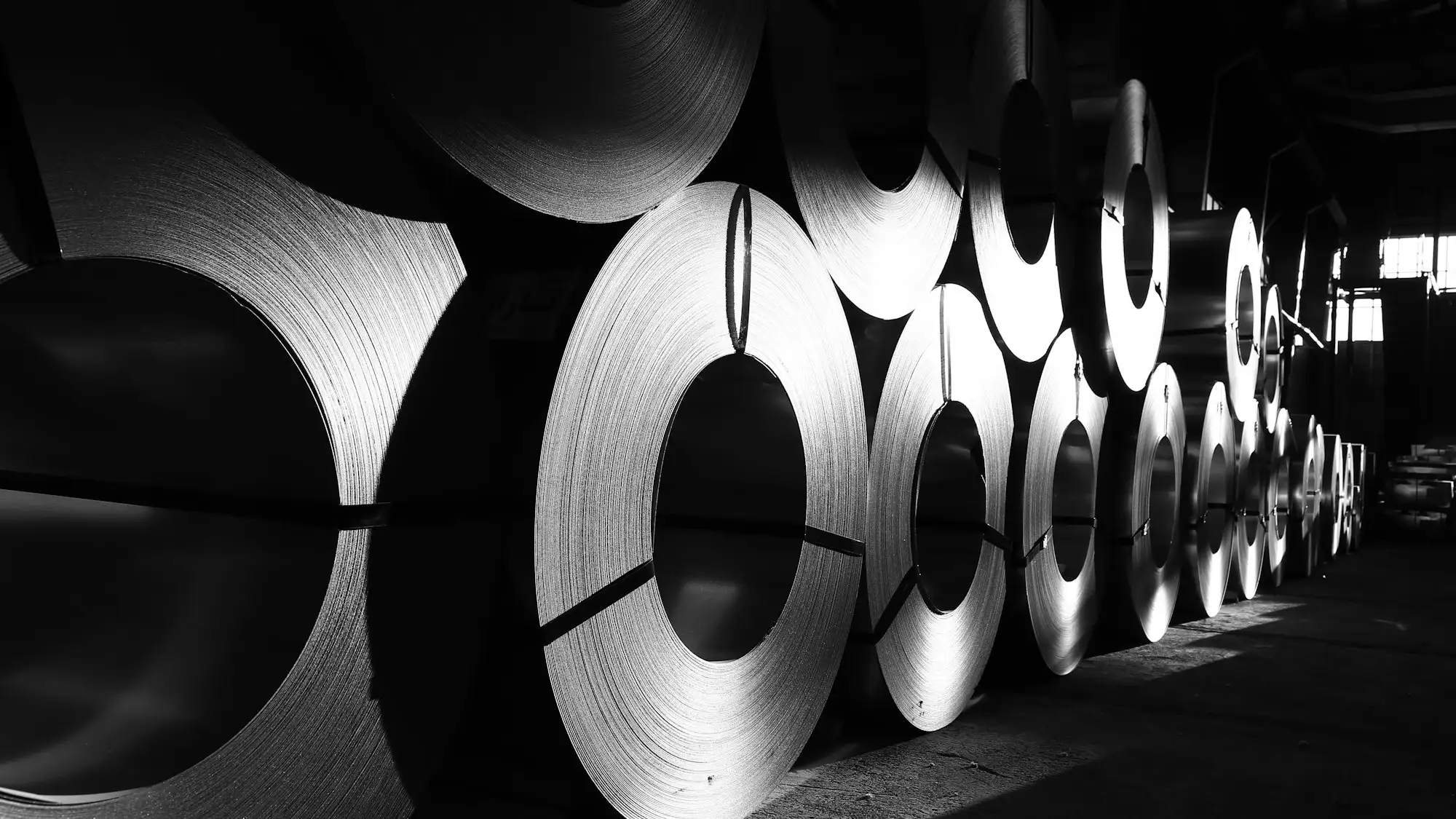
Steel Products
ROXAY Trading sources and trades finished and semi-finished steel products for distributors, fabricators and construction buyers, qualified against grade, tolerance and the applicable standard.
Pickled Hot Rolled
ROXAY Trading sources and trades pickled hot rolled steel in coil and sheet form — descaled, oiled and supplied to the thickness, width and grade a forming line requires.
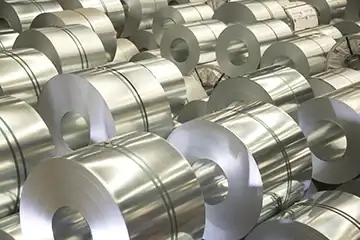
Galvanized Steel
ROXAY Trading sources and trades hot dip galvanized steel in coil, slit and sheet form, qualified against zinc coating weight, thickness tolerance and the standard the buyer's market applies.
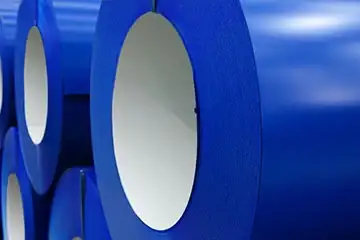
Pre-Painted Steel
ROXAY Trading sources and trades pre-painted galvanized steel in coil, slit and sheet form, qualified against paint system, colour reference, gloss level and the zinc coating beneath the paint.
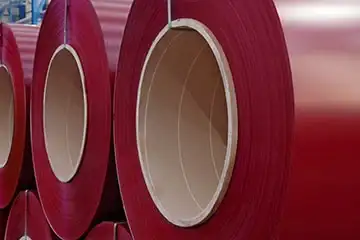
Pre-Painted Aluminium
ROXAY Trading sources and trades pre-painted aluminium in coil, slit and sheet form for buyers specifying a lightweight coated product by alloy, temper, paint system and service environment.