
Polymers
Polypropylene (PP) sourcing and trading
ROXAY Trading sources and trades polypropylene across homopolymer and copolymer grades for injection moulding, fibre, film and compounding applications.
At a glance
- Category
- Polymers
- Typical buyers
- Injection moulders, fibre and film producers, compounders, distributors
- Specification drivers
- Homopolymer or copolymer, melt flow index, application
- Grade families
- Homopolymer and copolymer (random and impact)
- Feedstock
- Propylene, from refining or cracking
- Supply forms
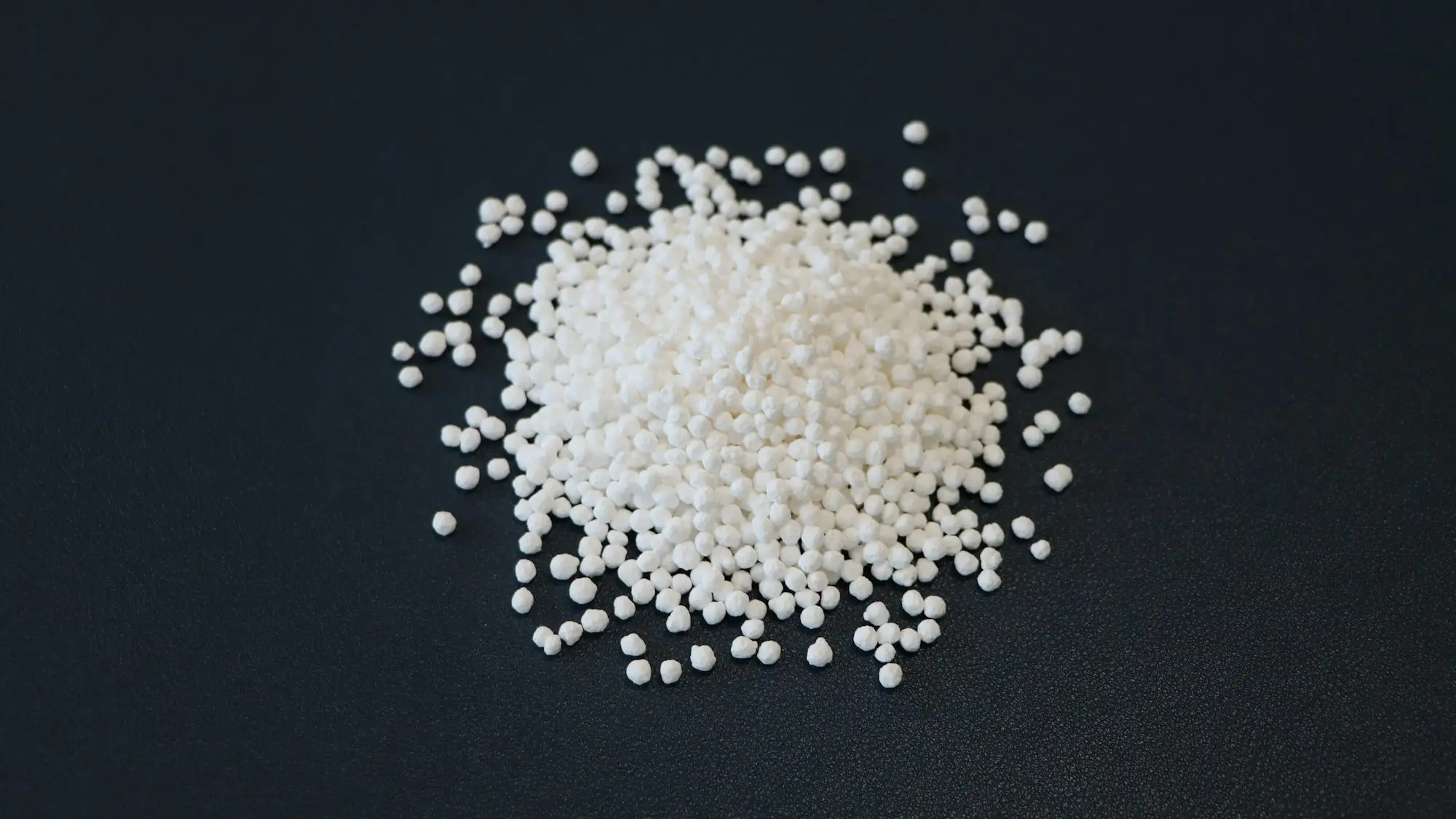
- Pellets, bagged or bulk; additive packages by grade
- Common Incoterms
- FOB, CIF, CFR — set per transaction
- Priority markets
- China, India, Pakistan, Africa, wider Asia
Polypropylene (PP) Supply, Trade & Wholesale Solutions
Polypropylene is one of the most important plastics in the industry today. It has a lightweight, heat-resistant and durable structure and is used in many sectors.
What Is PP Polypropylene in Global Commodity Markets?
Polypropylene is a thermoplastic polymer made by polymerising propylene gas. It is traded in tonnage on commodity markets. It is a product that is widely used in the packaging, automotive, textile and healthcare sectors and has an important position in world trade. It is recyclable and hence an eco-friendly material as well. PP is also eco-friendly.
Primary PP Grades: Homopolymer & Copolymer Resin Supply
There are two main kinds of polypropylene:
- Homopolymer PP — This is pure polypropylene. It is used where high hardness and heat resistance are required. Examples include food containers, carpet yarns, and automotive parts.
- Copolymer PP — It is made by mixing with ethylene. It is more flexible and impact resistant. Such as bottle caps, pipes and robust packaging.
Both are available in a variety of grain sizes and with additives.
Key Industrial Applications and Polypropylene Examples
Polypropylene main applications:
- Packaging food containers, bottle caps, and stretch wrap.
- Automotive — Bumpers, dashboards, battery boxes.
- Textile — Cordage, carpet yarn, cloth.
- Health — Syringe, gloves, medical bag.
- Construction — Pipe, insulating material, mould.
- Household items — storage box, hanger, toy.
Examples of the vast applications of PP are only a few.
Global Polypropylene Market Trends & Regional Demand
The global PP market is concentrated in Asia, Europe and North America. Asia is the biggest production and consumption area. China and India are experiencing increasing demand for PP, as their industrialisation and populations are expanding at a rapid pace. European automotive and packaging sectors shine while North American construction and healthcare sectors lead. Environmental regulations and trends in recycling are significant factors determining
Polypropylene Supply and Demand Factors
Factors Influencing PP Supply:
- Capital expenditures and production capacity
- Costs of raw material (propane)
- Power prices
- Outages for maintenance and production
- Conditions of logistics and transportation
Factors influencing demand for PP :
- Packaging and auto industry growth
- Spending by consumers
- Population growth and urbanisation
- Recycling regulations and environmental laws
- Price of alternative materials:
PP prices are determined by the balance between supply and demand.
China Polypropylene Market
PP is the biggest producer and consumer in China. The giant petrochemical plants in the country not only serve the domestic market but also export. China’s packaging, auto and textile industries are expanding, and this is fuelling ever more demand for PP. However, environmental policies and energy restrictions can sometimes have a negative impact on production.
India Polypropylene Market
India is a rapidly developing PP market. The growing population, urbanisation and industrialisation are driving the demand for PP. India’s domestic production is on the rise, but imports are also done from time to time. The demand of PP is mainly from packaging, automotive and textile sectors.
Asia Polypropylene Demand
Asia represents the largest share of global PP demand. PP is widely applied in the packaging, automobile, electronics, and textile industries in China, India, Japan, South Korea, and Southeast Asian countries. The region’s economy is growing, which points to continued strength in demand for PP.
What Determines Global PP Prices?
Factors Influencing PP Prices:
- Cost of propylene feedstock
- Petroleum and natural gas prices
- Production capacity and amount of supply • Global economic growth and demand
- Costs of transport and logistics
- Exchange rates of currencies
- Regulations and environmental taxes
- Geopolitical trends
This combination of factors sets the price of PP on the international market.
How Upstream Energy & Crude Oil Prices Affect Polypropylene
Polypropylene is made from propylene. Propylene is made from petroleum refining or natural gas processing. The cost of PP is directly affected by the prices of oil and natural gas. The rise in oil price is passed on to the price of propylene and, in turn, to PP prices. The cost of production is also influenced by natural gas prices, especially in the Middle East and North America. Price volatility in the energy market creates uncertainty in the PP market.
Global Polypropylene Distributors & Supply Chain
Global PP distributors are the middlemen between the manufacturers and the end users. These distributors buy the PP that they get from the big petrochemical plants and sell it to various customers. The supply chain consists of the following stages of production, storage, transportation, customs procedures, and delivery. The efficient supply chain is one which makes sure quality products reach their destination on time and at competitive prices.
Sustainable Plastics: Is Polypropylene Recyclable?
Yes, polypropylene is recyclable. It is usually marked with the recycling code “5.” PP can be melted down and made into other products. But the recycling rate varies from country to country. From the sustainability point of view, the recycling of PP decreases the environmental pollution and saves raw materials. Today a lot of companies are using PP that has been recycled.
Polyethylene vs Polypropylene
Both PE and PP are made from similar raw materials, but they differ in their properties:
- PE is softer, more flexible and impact-resistant. It is a leader in the manufacture of packaging and film.
- PP is harder, heat resistant and resistant to chemicals. It is preferred in automotive, medical equipment and food containers.
Both are quoted in tonnes. Prices are a function of different supply-demand dynamics. Neither polymer is consistently more expensive across all grades and markets. Both materials, however, are essential ingredients of modern industry.
What a buyer needs to define
- Family — homopolymer or copolymer, and if copolymer, random or impact.
- Melt flow index and any additive or stabiliser requirement.
- Application — moulding, fibre, film or compounding.
- Certification — food-contact or medical, where the end use requires it.
- Volume, cadence, packaging and discharge point.
How ROXAY handles a polypropylene trade
We define the grade and the application together, qualify suppliers able to produce it consistently at the required cadence, then structure the commercial terms, agree packaging and certification, and coordinate delivery against the applicable Incoterm.
Producers, origin countries, suppliers and routes are not published.
Questions buyers ask
Which polypropylene grades does ROXAY Trading supply?
Sourcing covers homopolymer and copolymer grades and is qualified against melt flow index and intended application. A requirement described only as 'PP' has to be narrowed before supply can be qualified.
What is the difference between PP homopolymer and copolymer?
Homopolymer is made from propylene and is used for rigid packaging, fibre and general moulding. Random and impact copolymers have different balances of clarity, stiffness and impact performance. Select the grade against the application and its technical data sheet.
Why does ROXAY ask for the application rather than only the grade?
Application determines which combination of melt flow index, additive package and grade will actually perform. Two grades that look equivalent on a datasheet can behave differently in a specific moulding or extrusion process.
Can polypropylene be substituted for polyethylene?
Only in a narrow set of cases. PP is stiffer and has a higher heat tolerance, while PE has better low-temperature impact performance and flexibility. Substitution has to be assessed against the end use rather than treated as a like-for-like swap.
What is the difference between homopolymer and copolymer PP?
Homopolymer is pure polypropylene: stiffer, with higher heat resistance, used where rigidity matters — food containers, carpet yarn, automotive components. Copolymer incorporates ethylene, which makes it more flexible and far more impact-resistant, particularly in cold conditions; it goes into closures, pipe and heavy-duty packaging. Choosing between them is an engineering decision, not a commercial one.
What drives polypropylene prices?
Propylene feedstock cost is the main driver, and behind it crude oil and natural gas. Production capacity, maintenance outages, energy prices, logistics, exchange rates and demand from packaging and automotive complete the picture. Recycling regulation and the price of substitute materials increasingly feed in as well.