

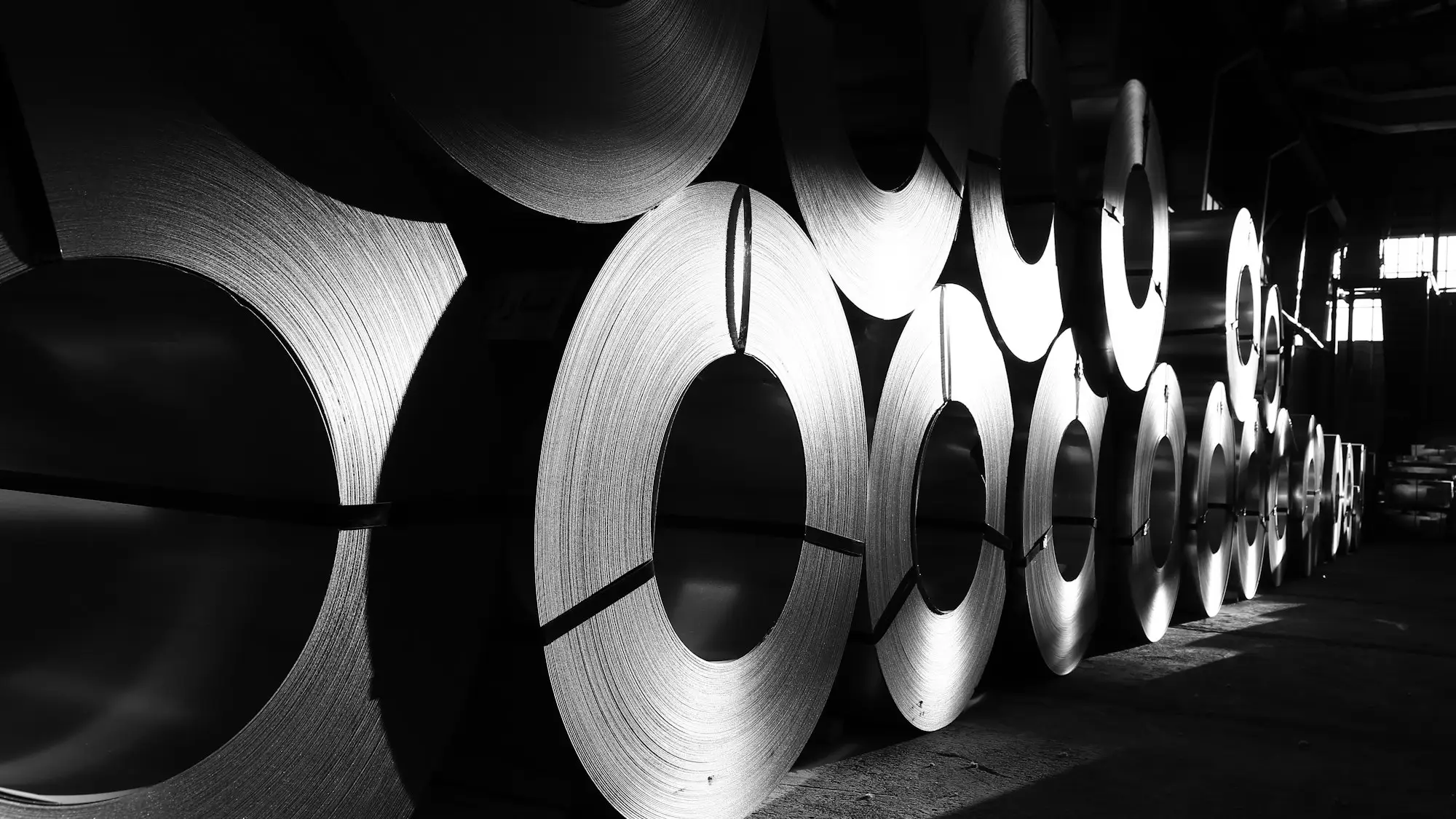
Metals & Steels
Galvanized steel coil sourcing and trading
ROXAY Trading sources and trades hot dip galvanized steel in coil, slit and sheet form, qualified against zinc coating weight, thickness tolerance and the standard the buyer's market applies.
At a glance
- Category
- Metals & Steels
- Routes
- Hot rolled base (GHR) or cold rolled base (GCR)
- Forms
- Coil, slit coil, cut sheet
- Typical thickness
- 0.25–3.00 mm cold rolled base · 1.5–4.00 mm hot rolled base
- Typical width
- 800–1530 mm coil · 60–800 mm slit · 400–1530 mm sheet
- Zinc coating
- 60–600 g/m² total both sides, stated per transaction
- Typical buyers
- Roll formers, profile and panel producers, HVAC and appliance makers, service centres
- Common Incoterms
- FOB, CIF, CFR — set per transaction
Galvanized steel is flat rolled steel that has been through a continuous hot dip line, leaving a metallurgically bonded zinc layer on both surfaces. The steel underneath still carries the load; the zinc decides how long it lasts.
Two base routes, two different products
Galvanizing can start from pickled hot rolled strip or from cold rolled strip, and the choice is not a technicality.
The hot rolled route (GHR) serves the heavier gauges, where the buyer needs strength and corrosion protection rather than a fine surface. The cold rolled route (GCR) serves thinner material with tighter dimensional tolerance and a smoother surface — the range that goes on to be painted, formed into visible panels or used where appearance is part of the product.
Ordering one and receiving the other usually still meets “galvanized coil” as written, and still fails on the line. The base route belongs in the specification.
Coating weight is a service life decision
Zinc coating weight, stated in grams per square metre over both faces, is the single variable buyers most often leave vague.
It should not be. A light coating is sufficient for dry interior use and will not survive years of coastal exposure; a heavy coating protects an exterior application but costs more and can complicate tight forming. Matching coating weight to the actual service environment is the difference between material that lasts its design life and a warranty conversation later.
What buyers are managing
Roll formers need dimensional consistency, because a strip that varies in thickness or width moves the geometry of everything they produce. Panel and profile producers need surface quality that survives forming and, often, painting. Appliance and HVAC manufacturers need both, plus certification they can pass to their own customers.
What ROXAY qualifies before quoting
Base route, grade and applicable standard, thickness and width tolerance, coating weight, surface treatment and oiling, coil inner diameter and slit width where relevant. Certification requirements are settled at enquiry stage, not after the coil is produced.
Mills, origin countries, suppliers and routes are not published.
Questions buyers ask
What is the difference between GHR and GCR galvanized coil?
The difference is the base material. GHR is galvanized directly from pickled hot rolled strip and covers the heavier gauges; GCR is galvanized after cold rolling and covers the thinner, tighter tolerance range with a smoother surface. Which route suits an order depends on the thickness and the surface finish the end use demands.
How is zinc coating weight specified?
As grams per square metre across both surfaces, written into the contract rather than described loosely as light or heavy. Coating weight is what determines corrosion life, so the figure is matched to the service environment — interior dry use, exterior exposure or a coastal atmosphere are three different answers.
Can galvanized coil be supplied slit to width?
Yes. Coil can be slit to narrow widths for roll forming and profile lines, and cut to sheet where the buyer is not running from coil. Slit width, edge condition and coil inner diameter are agreed with the order because they have to match the buyer's line, not the mill's convenience.
More in Metals & Steels
Iron Ore
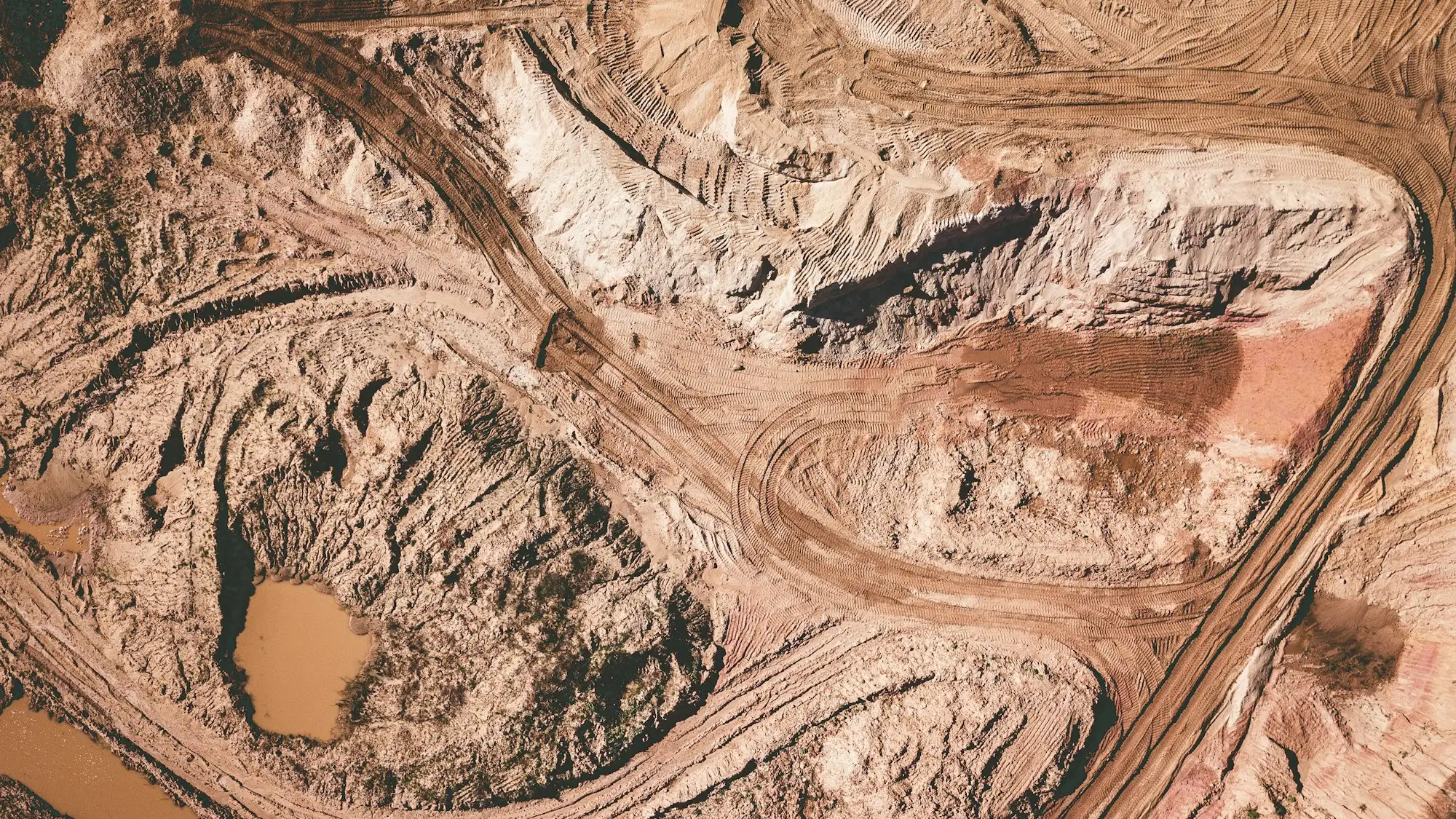
ROXAY Trading sources and trades iron and iron ore for steel mills, industrial consumers and importers, qualified against grade, Fe content and delivery route.
Copper
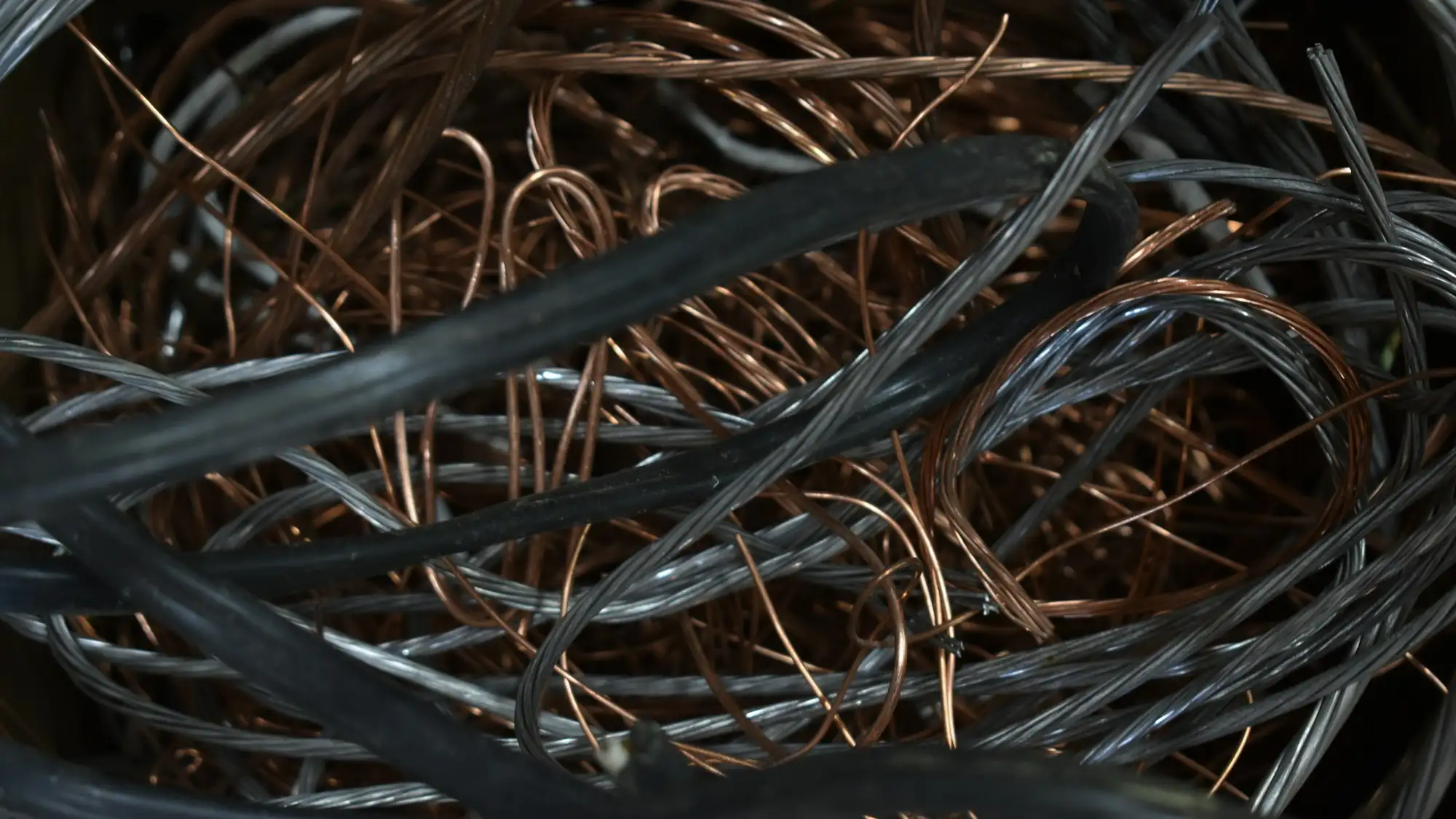
ROXAY Trading sources and trades copper for refiners, wire and cable manufacturers, industrial processors and distributors, qualified against form and purity.
Steel Products
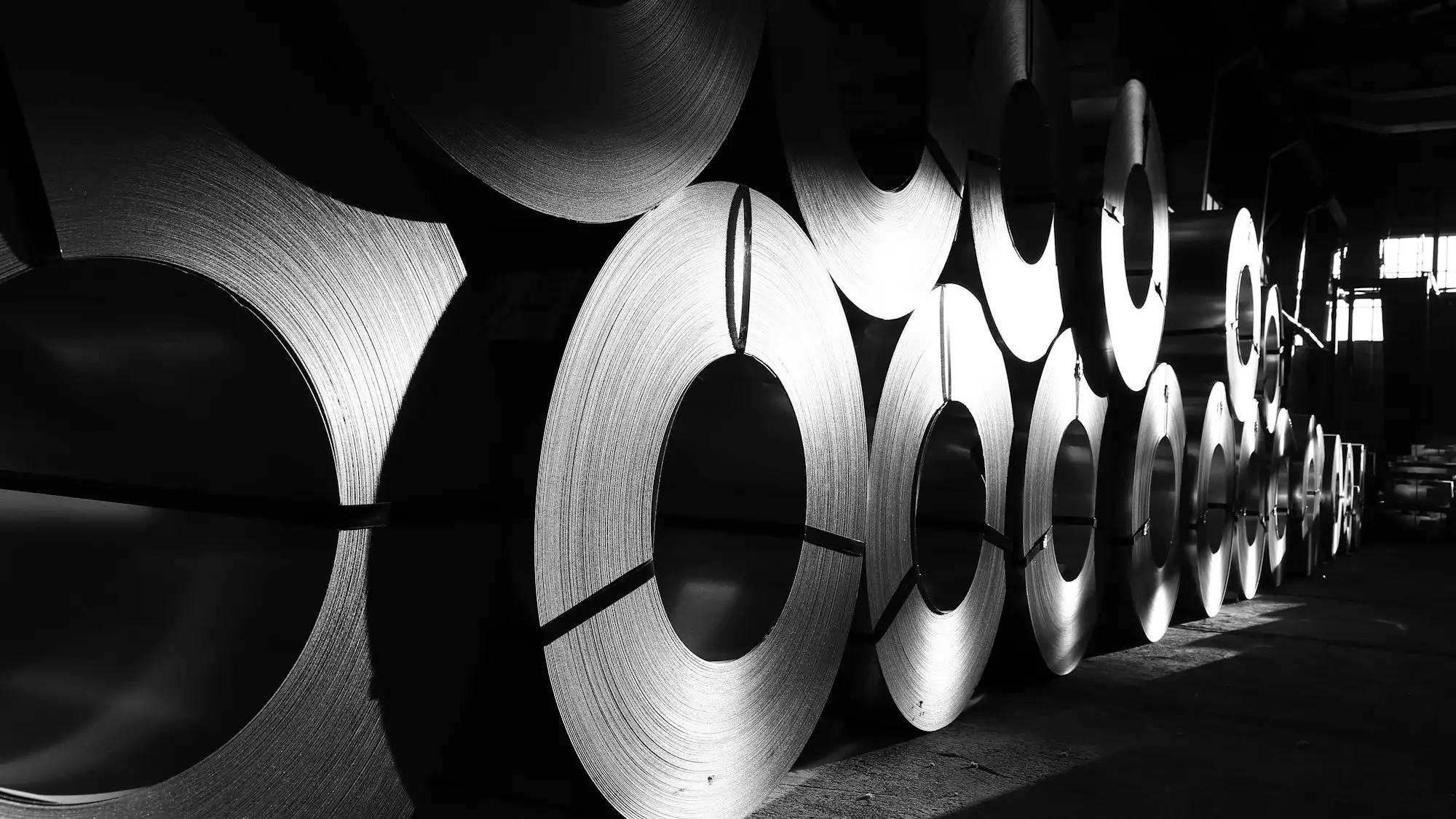
ROXAY Trading sources and trades finished and semi-finished steel products for distributors, fabricators, construction buyers and industrial manufacturers.
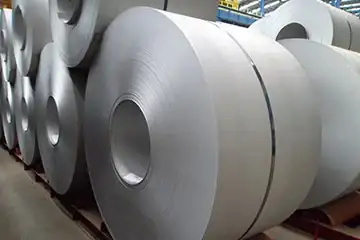
Pickled Hot Rolled
ROXAY Trading sources and trades pickled hot rolled steel in coil and sheet form — descaled, oiled and supplied to the thickness, width and grade a forming line requires.

Pre-Painted Steel
ROXAY Trading sources and trades pre-painted galvanized steel in coil, slit and sheet form, qualified against paint system, colour reference, gloss level and the zinc coating beneath the paint.
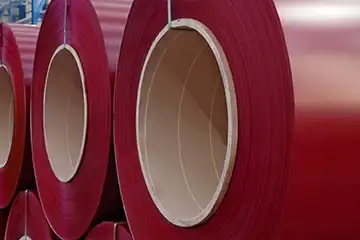
Pre-Painted Aluminium
ROXAY Trading sources and trades pre-painted aluminium in coil, slit and sheet form for buyers who need a coated flat product that carries no corrosion risk from the substrate itself.