

Metals & Steels
Pickled hot rolled coil sourcing and trading
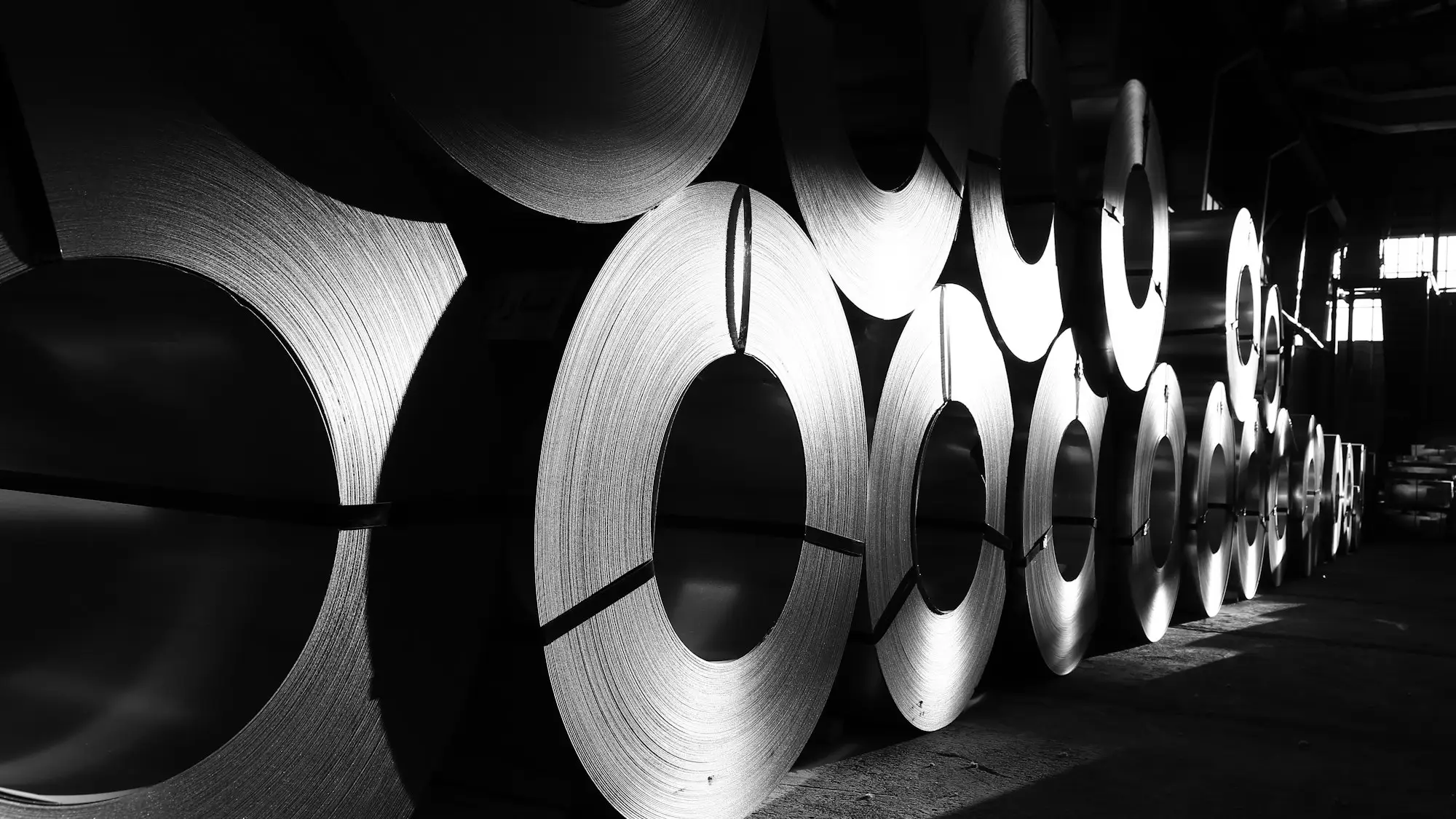
ROXAY Trading sources and trades pickled hot rolled steel in coil and sheet form — descaled, oiled and supplied to the thickness, width and grade a forming line requires.
At a glance
- Category
- Metals & Steels
- Forms
- Coil (PHRP), cut sheet (PHRCP), edge trimmed or mill edge
- Typical thickness
- 0.8–5.0 mm coil · 1.0–5.0 mm sheet
- Typical width
- 800–1600 mm
- Surface
- Acid descaled, oiled both sides for transit protection
- Typical buyers
- Tube and pipe mills, profile producers, cold formers, service centres
- Specification drivers
- Grade, thickness and width tolerance, surface condition, oiling level
- Common Incoterms
- FOB, CIF, CFR — set per transaction
Pickled hot rolled coil is hot rolled steel with the oxide scale taken off it. That single processing step is what separates it from ordinary hot rolled: the surface is clean enough to weld, form and coat without the buyer removing scale first.
What pickling actually buys
Hot rolling leaves a hard oxide layer on the strip. It is abrasive, it interferes with welding, and it marks the tooling of anything that tries to form the steel while it is still there.
Pickling removes that layer in an acid line, and the strip is then oiled so the bare surface survives the journey to the buyer. What arrives is material a forming or welding line can take directly.
For a tube mill running continuously, that matters more than price per tonne. Scale on incoming strip shows up as weld defects and tool wear, and both are more expensive than the pickling was.
Where the specification is won or lost
Four things decide whether a cargo is usable: grade, thickness tolerance, width tolerance and surface condition.
Thickness tolerance is the one most often underestimated. Steel inside grade but outside tolerance changes the geometry of a formed section, and a buyer working to a fixed drawing has no room to absorb that. Edge condition matters for the same reason — a mill edge and a trimmed edge behave differently in a forming line, so which one is being bought needs to be explicit.
What ROXAY qualifies before quoting
Grade against the applicable standard, dimensional tolerance against the buyer’s forming requirement, surface and oiling level against the voyage and the next process, and coil dimensions against the buyer’s handling equipment.
That shortlist is usually narrower than a broad “hot rolled” enquiry suggests, which is the point — a qualified shortlist is worth more than a long one.
How the trade is structured
Specification and standard are written into the contract together with dimensional tolerance and oiling level. Inspection and mill test certification points are agreed before production rather than raised after it, and delivery is sequenced against the Incoterm both sides can support.
Mills, origin countries, suppliers and routes are not published.
Questions buyers ask
What is pickled hot rolled coil used for?
It is the feed material for work that cannot tolerate mill scale — tube and pipe welding, roll forming, profile production and cold forming. Removing the oxide layer leaves a clean surface that welds and forms predictably, which is why buyers pay for pickling rather than descaling in house.
Why does the oiling level need to be stated at enquiry stage?
Oil protects a descaled surface in transit, but the amount has to suit both the voyage and what happens next. Too little invites rust before the coil reaches the line; too much has to be degreased before painting or coating. The level is agreed in the contract rather than left to the mill's default.
What should a pickled hot rolled enquiry state?
Grade and applicable standard, thickness and width with tolerance, coil or sheet, edge condition, coil inner diameter, oiling requirement, volume, discharge port and preferred Incoterm. Where the material feeds a continuous line, the delivery window matters as much as the specification.
More in Metals & Steels
Iron Ore
ROXAY Trading sources and trades iron and iron ore for steel mills, industrial consumers and importers, qualified against grade, Fe content and delivery route.
Copper
ROXAY Trading sources and trades copper for refiners, wire and cable manufacturers, industrial processors and distributors, qualified against form and purity.
Steel Products
ROXAY Trading sources and trades finished and semi-finished steel products for distributors, fabricators, construction buyers and industrial manufacturers.
Galvanized Steel
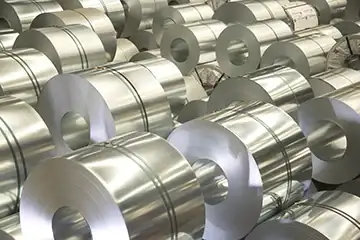
ROXAY Trading sources and trades hot dip galvanized steel in coil, slit and sheet form, qualified against zinc coating weight, thickness tolerance and the standard the buyer's market applies.

Pre-Painted Steel
ROXAY Trading sources and trades pre-painted galvanized steel in coil, slit and sheet form, qualified against paint system, colour reference, gloss level and the zinc coating beneath the paint.
Pre-Painted Aluminium
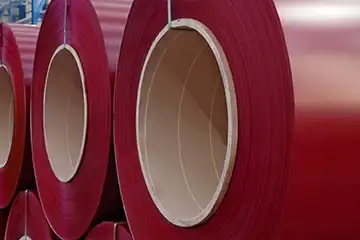
ROXAY Trading sources and trades pre-painted aluminium in coil, slit and sheet form for buyers who need a coated flat product that carries no corrosion risk from the substrate itself.