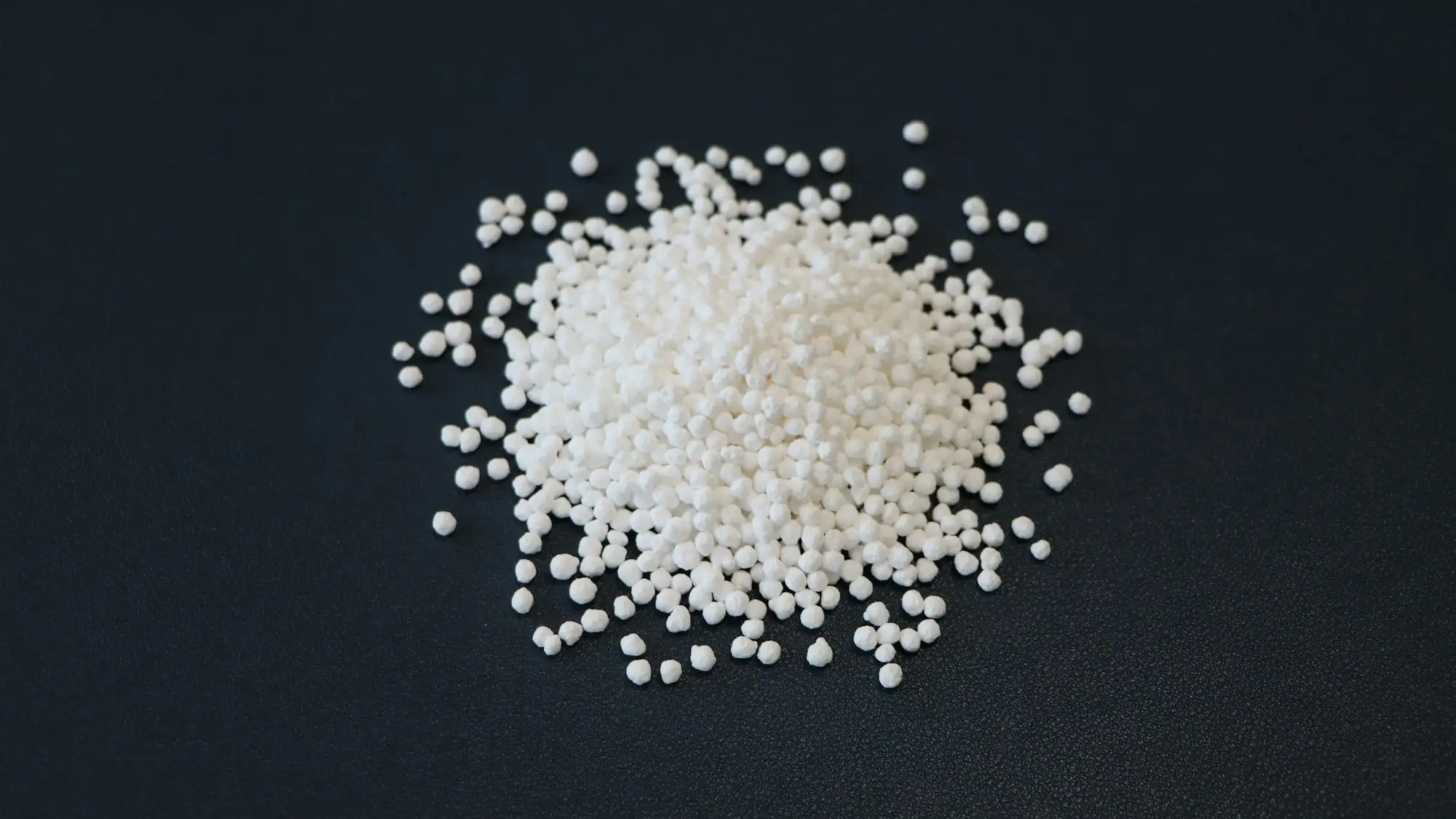
Polyethylene (PE)
ROXAY Trading sources and trades polyethylene across HDPE, LDPE and LLDPE families for film, pipe, moulding and packaging converters.


03 — Category
ROXAY Trading sources and trades polymer raw material — principally polyethylene (PE) and polypropylene (PP) — for converters, compounders and distributors, qualified by grade and by delivery cadence.
Polymer trading depends on grade, consistency and cadence: material that is right on paper can still stop a line.
This sector provides the raw materials needed to make the plastic products we use in our everyday lives. Factories get raw materials in tonnes and regularly from bulk supply.
Polymer materials are chemical components extracted from sources like natural gas and petroleum. These materials are melted and formed into plastic products. These raw materials are produced, distributed, and priced in the global market. Global polymer trade is directly influenced by production capacities, energy costs and demand balance in various countries.
The main types of plastic polymers used in the industry are polyethylene (PE), polypropylene (PP), PVC, PET, and polystyrene. They each have different properties. These properties determine their applications: • Polyethylene (PE): Used for the production of bags, packaging films, bottles, pipes, and toys.
To help manufacturers keep the production line running without interruption, an efficient polymer resin supplier network is needed. This network comprises manufacturers, distributors, logistics companies, and port operations. A good supplier network provides the right quality raw materials at the right time and at competitive prices. It also requires a solid infrastructure in areas like inventory management, quality control and international shipping.
Our core commodity portfolio is centred on the two plastics that are produced and consumed the most in the world, polyethylene (PE) and polypropylene (PP). These two materials have a very wide range of applications, from packaging to automotive and from building to textile.
Polyethylene is produced by the polymerisation of ethylene gas. It is the most common plastic in the world. The supply and trade procedure covers such stages as procurement from production facilities, quality control, storage, transportation and delivery to the buyer. PE trading is driven by global market prices, supply-demand balance and logistics costs.
Polypropylene is manufactured from propylene gas. Many sectors prefer it for its high melting point, chemical resistance and light weight. As with PE, PP trading involves large transactions, storage and international shipping. In particular, the demand from the automotive and packaging sectors directly impacts the PP market.
The global logistics of polymers involves all transportation and storage processes to get polymers to buyers from production facilities. Bulk polymer distribution is usually done with silo trucks, containers and specially packaged bags. This process involves important elements such as ports, customs procedures, insurance and inventory management. A good logistics network reduces costs and shortens delivery times.
Once the grade is defined, we qualify suppliers who can consistently produce it at the volume and cadence the buyer needs. For converters running continuous lines, cadence matters as much as price — a cheaper cargo that arrives late is not cheaper.
We then structure the commercial terms, agree packaging and documentation, and organise delivery against the applicable Incoterm. Where a buyer has a recurring monthly requirement, the arrangement can be built to repeat rather than renegotiated each time.
Producers, origin countries, suppliers and routes are not published.
ROXAY Trading sources and trades polyethylene across HDPE, LDPE and LLDPE families for film, pipe, moulding and packaging converters.
ROXAY Trading sources and trades polypropylene across homopolymer and copolymer grades for injection moulding, fibre, film and compounding applications.
ROXAY Trading works principally with polyethylene (PE) and polypropylene (PP), across the grades used in film, moulding, pipe and fibre applications, and assesses enquiries for other polymer grades depending on supply availability.
Sourcing is done against the grade, melt flow index and application the buyer specifies. Polymer is not interchangeable between applications, so a requirement described only as 'PE' or 'PP' has to be narrowed before supply can be qualified.
Typical buyers are plastic converters, film and pipe manufacturers, compounders, packaging producers, distributors and importers supplying manufacturing bases in Asia and Africa.