

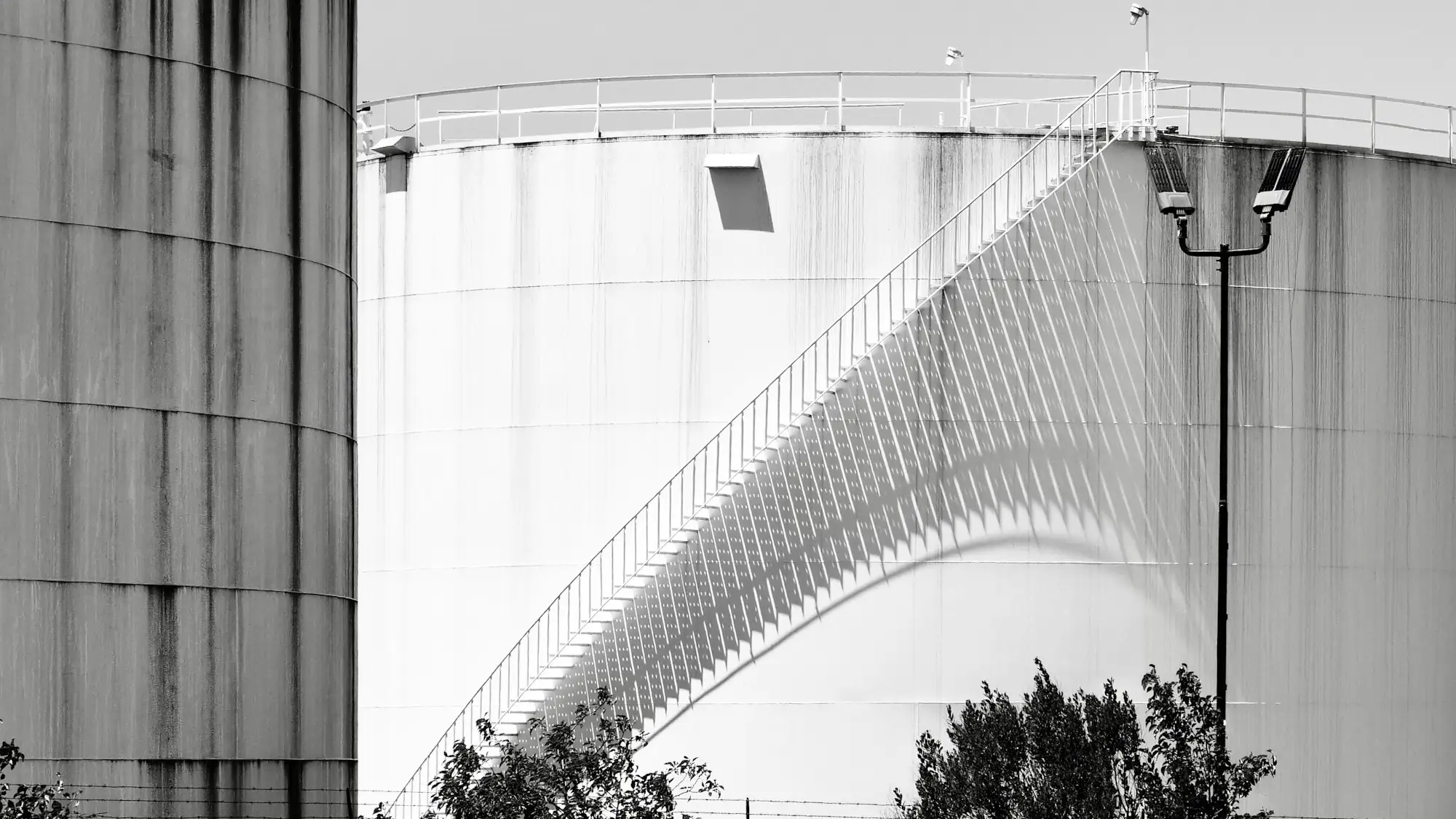
Energy
LPG sourcing and trading
ROXAY Trading sources and trades liquefied petroleum gas (LPG) — propane, butane and blends set to the destination's climate and specification — for importers, distributors and industrial consumers.
At a glance
- Category
- Energy
- Products
- Propane, butane, isobutane, commercial blends
- Typical buyers
- Importers, distributors, industrial consumers, blenders
- Specification drivers
- Propane / butane ratio, purity, vapour pressure, odourisation
- Shipping modes
- Fully pressurised, semi-refrigerated, fully refrigerated (VLGC)
- Price references
- Saudi Aramco Contract Price, Far East Index, cargo differentials
- Common Incoterms
- FOB, CIF, CFR — set per transaction
- Priority markets
- China, India, Pakistan, Africa, wider Asia
LPG Trading & Supply: Global Sourcing and Bulk Delivery
Liquefied petroleum gas (LPG) is a major product in the global energy trade, acting as a transition fuel and a versatile feedstock for industry. The global trade of LPG by sea in bulk is underpinned by a sophisticated global supply chain network linking the geographical distances between production centres and consumption markets. This page covers in detail every process from LPG composition to international trade, pricing and global supply routes.
What Is LPG in Global Energy Trading?
LPG (Liquefied Petroleum Gas) is a secondary energy commodity that is a mixture of propane and butane gases that is traded in the energy markets worldwide. It is produced from crude oil refining or natural gas processing.
Special gas carrier ships (VLGC) transport the gas in bulk over intercontinental distances due to its ability to liquefy easily at low pressure. It is traded as a cooking and heating fuel in residential areas, as autogas in transportation and as a feedstock for plastic production in the petrochemical industry, primarily in international markets.
LPG Composition: Propane, Butane, and Commercial Blends
Liquefied Petroleum Gas (LPG) is predominantly propane and butane gases, but commercial products may also contain small amounts of light hydrocarbons such as isobutane, ethane and propylene.
The most characteristic physical property of LPG is that it can be liquefied easily under low to medium pressure. When it becomes liquid, its volume shrinks by about 233 to 274 times (about a 1/250 ratio) from its gaseous state. This gas has a large compressibility, which means that a huge amount of gas energy can be transported over intercontinental distances with the aid of special pressurised tanks or refrigerated liquefied gas carriers (VLGC – Very Large Gas Carriers). LPG vapour is heavier than air (density 1.5 - 2.0 against air = 1), and therefore in case of a leak it will settle; for safety reasons special odourants like ethyl mercaptan are added.
Key Applications of LPG Across Industrial and Residential Markets
LPG has a high heat value (around 45.7 - 46.3 MJ per kg) and clean-burning properties and therefore has a wide range of applications:
- Residential and Commercial Segment — Used as the main source of fuel for cooking, space heating and hot water supply in rural and suburban areas where the natural gas network does not reach.
- Petrochemical Industry — As a substitute feedstock to naphtha in the production of ethylene and propylene plastic polymers in petrochemical plants.
- Transport / Autogas Due to its high octane number (approximately 112 RON for propane, approximately 94 RON for butane) and lower emissions than petrol, it is used as fuel in passenger cars and commercial fleets.
- Industry, Refinery and Agriculture — Metal processing, ceramic and glass manufacturing, drying processes, and electricity generation in generators.
LPG Products Available for International Supply
Propane Supply and Trading
Commercial propane is a type of LPG that is at least 90% propane molecules. It has a boiling point at atmospheric pressure of -42.1°C, and so it can evaporate and maintain its pressure even in very cold climates without freezing. This property makes it widely used as a fuel for home heating in cold climates and as a feedstock in the Propane Dehydrogenation (PDH) processes for propylene production in the petrochemical industry.
Butane Supply and Trading
Commercial butane is a mixture of n-butane and isobutane. The boiling point at atmospheric pressure is around -0.5°C. Butane is also a key blending component of motor petrol in addition to its high heating value. Butane is added to petrol blends to help start the engine (cold start) during winter months and to modify the vapour pressure (Reid Vapour Pressure - RVP).
Selecting LPG Blends for Different Markets and Applications
In international LPG supply special commercial blends are prepared depending on the geographical location of the buyers, seasonal conditions and the intended use:
- Winter Blends — The propane ratio is increased so that the gas in the cylinder or tank can easily vaporise in cold weather.
- Summer Blends — The butane ratio is increased in hot climates to prevent too much pressure build-up in the tank and to balance costs.
- Special Industrial Blends — Custom-made formulations are available as per the purity levels required by petrochemical crackers or aerosol producers.
How Does International LPG Trading Work?
Spot Purchases and Term Supply Agreements
There are two main contract models in the physical trade of LPG:
- Term Supply Agreements. Multi-year contracts between producers (national oil companies/NOCs) and trading companies or major wholesalers that provide volume and supply security. They are often funded through pre-payment or offtake mechanisms.
- Spot Purchases — These are single shipment transactions executed at daily benchmark prices to satisfy immediate market requirements, to exploit regional price differences (geographical arbitrage) or to relieve regional supply constraints.
This process between producers and end buyers is owned by commodity trading firms (CTF), who take on the responsibility for logistics, storage and risk management.
Product Specifications, Quality Verification, and Cargo Documentation
Professional documentation is needed for the smooth delivery of an international physical LPG cargo:
- Bill of Lading — BL: The principal document signed by the ship captain of the carrier, which certifies that the cargo has been loaded on the ship and is proof of the right of ownership.
- Certificate of Quality/Quantity — It is a report of the chemical composition, density and total weight of cargo resulting from analyses of samples taken by independent inspection companies (inspectors) at loading and unloading ports.
- Letter of Credit — LC: It is a guarantee issued by the bank of the buyer in favour of the seller to ensure security of payment; banks release payment against BL and quality certificates.
- Safety Data Sheets (SDS) and Regulations — Verification of cargoes’ compliance with GHS standards (e.g., H220 extremely flammable gas, H280 pressurised gas) and international maritime transport regulations (IGC Code, IMDG).
What Determines LPG Prices?
Feedstock Prices, Seasonal Demand, and Regional Supply
LPG prices are the result of a complicated global dynamic:
- Raw Material and Production Source — LPG is recovered from natural gas processing and crude oil refining. The production mix differs by market and reporting period. LPG prices have generally been highly correlated with crude oil prices and natural gas markets.
- International Price Indicators In shipments from the Middle East, the Saudi Aramco Contract Price (CP) is published in US dollars/tonne at the beginning of each month and is considered the main reference. For USA shipments, the basis is the Mont Belvieu index.
- Seasonal Demand — In winter months, as demand for residential heating in the Northern Hemisphere and for petrol blending increases, prices tend to go up, and in summer months, demand somewhat eases.
Freight Costs and Delivery Terms
Shipping costs (freight) for maritime transportation are an important element in the ultimate delivered cost of LPG:
- VLGC Fleet Architecture — Very large gas carriers (VLGC) are used for LPG transportation. Fluctuations in charter rates directly impact cargo margins.
- Critical Maritime Chokepoints and Routes — Congestion or crises in strategic chokepoints such as the Strait of Hormuz, the Strait of Malacca, and the Panama Canal lead to increased shipping times and freight rates. The expansion of the Panama Canal has greatly shortened the transit time and cost of cargoes leaving the U.S. Gulf Coast for Asian markets.
- Delivery Terms (Incoterms) — Deals are commonly made on FOB (Free on Board - freight paid by the buyer), CFR (Cost and Freight), or CIF (Cost, Insurance and Freight - freight and insurance paid by the seller) terms.
Global LPG Sourcing and Distribution
LPG Sourcing from the Middle East
The Middle East (particularly Saudi Arabia, Qatar and the UAE) has long been the centre of global LPG exports, due to the associated gas produced from its abundant oil and natural gas fields. Most of the cargoes leaving the region head out to the open seas through the Strait of Hormuz.
LPG Supply to Asian Markets
The Asia-Pacific region (especially China, India, Japan and South Korea) is the fastest-growing market for global LPG demand and has the highest import volume.
The global LPG trade network has been founded on a USA-China dual core:
- The USA is the key architect of the global network of exports.
- Globally, demand is largely focused on China, which has huge domestic consumption and vast petrochemical complexes.
- The Strait of Malacca is the most important connecting logistical corridor in the flow from the Middle East and the USA to the consumption ports in Asia.
How to Choose an LPG Trading and Supply Partner
When choosing a reliable LPG supply partner in international markets, the following factors are important:
- Delivery Reliability and Continuous Flow — The ability to make delivery of cargo as agreed product specifications, in the agreed quantity and on time.
- Strong Financial Structure & Credit Profile — Ability to raise high-value Letters of Credit (LC) and trade finance lines from banks.
- Logistics & Infrastructure Control — Storage tanks, terminal access and flexible ship fleets (time/voyage charters) at strategic ports.
- Quality Blending and Flexibility (Optionality) — The ability to blend cargoes from various origins to meet the buyer’s factory or refined specifications.
- Transparency, Legal Compliance and Risk Management — Full compliance with international sanctions, HSEC (Health, Safety, Environment) standards and KYC/compliance rules.
Propane Supply & Trading: Properties, Applications, and Global Markets
What Is Propane?
Propane is a gas that is colourless and odourless. It is produced as a by-product at natural gas processing plants and oil refineries. It is gaseous at normal atmospheric pressure and at room temperature but liquefies easily on application of moderate pressure. Because of this property, it can be stored and transported in a volume about 270 times smaller than in its gaseous state.
Propane used in homes and workplaces is odourised for safety reasons. Pure propane is odourless; therefore, an odourant is added to propane to make it detectable in the event of a leak. The ratio of propane may be increased in winter months to provide sufficient gas pressure at low temperature.
Key Physical Properties and Commercial Specifications
Propane has the following major physical properties:
- Boiling Point — Between -42°C and -44°C. Propane can be stored outside because it remains a gas, even in cold weather, since it has a low boiling point.
- Freezing point — approx. -187.8°C.
- Density of the liquid. At 15°C it is about 0.504 to 0.510 kg/litre.
- Vapour pressure — About 8.4-8.9 kg/cm² at 20°C. High vapour pressure allows propane to be stored efficiently in pressurised containers.
- Specific gravity to air — This is about 1.55. So, propane is heavier than air and will accumulate on the ground if there is a leak.
- Ignition temperature — 493-549°C in air.
- Combustion (explosion) limits — By volume, between 2.1% and 9.5%.
Commercial propane standards are set by ASTM D1835 and the Gas Processors Association (GPA). Consumer grade propane (also called HD-5) must be at least 90% propane.
How Propane Is Produced and Separated
The two main sources of propane are natural gas processing and oil refining.
Natural gas processing Natural gas processing plants cool and pressurise wet gas from natural gas wells. The gas is liquefied, and heavy hydrocarbons such as ethane, propane, butane and natural gasoline are separated as the gas cools. The resulting mix, called “Y-grade”, is distilled in fractionation units to separate pure products.
Oil refinery. In crude oil refineries, propane is produced in two stages. It is first obtained in the initial separation of crude oil in the atmospheric distillation tower. Modern refineries also break long-chain hydrocarbon molecules down to propane, butane and their olefins at high temperature and pressure in fluid catalytic cracking (FCC) units.
What Is Propane Used For?
Propane is a flexible energy source with a wide variety of applications, including homes, industries, farms, and petrochemicals.
Residential Heating and Commercial Energy
Consumer-grade propane is consumed most by residential use. It is particularly favoured for space heating in rural areas that don’t have natural gas infrastructure. Winter months see a jump in propane consumption. It is also used throughout the year for water heating, cooking, drying clothes, etc.
Commercial Uses. Commercial businesses (hotels, restaurants, laundries) use propane for heating, cooling, cooking, and water heating in a manner similar to residential applications. It is also used widely as forklift fuel in construction sites, factories and warehouses
Industrial Fuel and Agricultural Applications
In the industrial sector, propane is used in processes like space heating, soldering, cutting, heat treatment and annealing. It is also favoured in industries such as ceramic and glass production and food processing. Propane is critically important in the post-harvest grain drying process in the agricultural sector. Propane demand can increase quickly, especially after the corn harvest when the product’s moisture content is high. It is also used for greenhouse heating, livestock barn heating and fruit ripening.
Petrochemical Feedstock and Propane Dehydrogenation
Propane is an important raw material for the petrochemical industry. Propane dehydrogenation (PDH) is the process of converting propane to propylene, the building block of plastic production.
PDH is an endothermic process and occurs at high temperature and low pressure. Two PDH technologies are widely used in commercial applications:
- Catofin process — Fixed bed reactors are utilised with a chromium-alumina catalyst. The reaction is carried out at about 575°C under a pressure of 0.2-0.5 bar.
- Oleflex process — Use of a platinum-tin catalyst in a moving bed reactor. The reaction takes place at a temperature of 525-705°C and at a pressure of 1-3 bar.
PDH plants generally try to optimise costs by buying raw materials in the spring and summer months when propane prices are low.
How Does Global Propane Trading Work?
Trading of propane is a global business that involves large-volume bulk shipments, long-term supply agreements and complex logistics processes.
Bulk Propane Sourcing and Supply Agreements
International trade in propane is usually done with very large gas carriers (VLGCs). The United States is the world’s largest exporter of propane, with Europe and Asia the main importers.
Commercial transactions are usually effected on the basis of CIF (Cost, Insurance, Freight) delivery terms. Typically, deals will be for large volumes, for example,
100,000 tonnes a month, with a minimum contract period of 12 months and payment terms backed by bank standby letters of credit (SBLC).
In some markets, the proliferation of natural gas networks is leading to a fall in LPG consumption in the residential and industrial sectors but a rise in autogas consumption. In addition, LPG can be used as a substitute for industrial plants in times of rising natural gas prices.
Product Quality and Delivery Requirements
Quality control is rigorous in the international trade of propane. Normally deliveries are checked by SGS or similar independent auditing organisations.
The commercial propane specifications are as follows:
- Propane purity (min. 90%)
- Limits on heavier hydrocarbon content
- Sulphur content (usually in the range of 20-100 mg/m³)
- Water content.
- Limits of vapour pressure
Product documentation (certificate of origin, quality certificate, insurance policy) is issued in digital and physical form on delivery.
What Determines Propane Prices?
Propane prices are driven by supply and demand, seasonality, freight and regionality.
Seasonal Consumption and Petrochemical Demand
The demand for propane exhibits a distinct seasonal pattern. Heating demand for residential and commercial use peaks during the winter months. This is the time when propane prices generally reach their peak.
Propane is a versatile feedstock in the petrochemical industry. PDH plants try to reduce production costs by stockpiling during spring and summer months when propane prices are low. In China, the PDH plant capacity utilisation rates are an important indicator of global propane demand, while the profitability of the plants is dependent on the propane-propylene price spread.
Export Availability, Freight, and Regional Price Differences
There are inter-regional price differences in the global propane market. The main reasons for those differences are:
- Freight costs — VLGC freight rates have a direct impact on prices, especially for long- haul routes such as Houston-Japan.
- Disruptions to supply — Export loading capacity may be limited due to factors such as geopolitical tensions or adverse weather, resulting in higher prices.
- Regional demand differences — Asian and European markets may differ from each other at times.
- Arbitrage window — Price divergences between regions create arbitrage opportunities that govern trade flows. As the arbitrage window closes, regional prices can move independently from each other.
How Is Propane Stored and Transported?
Propane is stored as a liquid in pressure tanks. This is much more efficient than storing gas. Liquid propane is about 270 times as compact in volume as its gaseous state.
Storage
- In large-scale facilities, large pressurised tanks (spherical or cylindrical) with capacities of tens of thousands of cubic metres are used.
- Propane is stored at the consumer level in cylinders or in fixed tanks. Filling limits must follow the applicable regulations, vessel specifications and operating procedures; allowances are required for thermal expansion.
Transportation
- Sea — Propane is transported in specially designed VLGC ships. These ships carry large-volume international shipments.
- By road — Propane is moved from distribution centres to end users and filling facilities in tanker trucks. Road transport for hazardous materials is subject to strict safety standards.
- By train — This is a popular mode of transport, particularly in North America and Europe.
- By pipeline — Propane is piped from storage facilities to large users or distribution points in some areas.
Propane vs Butane: Which Product Fits Different Applications?
Although propane and butane are chemically similar, the differences in their physical properties make them suitable for different applications.
| Property | Propane | Butane |
|---|---|---|
| Boiling point | -42°C | -0.5°C |
| Freezing point | -187.8°C | -138.3°C |
| Vapor pressure at 20°C | ~8.9 kg/cm² | ~1.2 kg/cm² |
| Density relative to air | 1.55 | 2.09 |
| Calorific value | 12,409 kcal/kg | 11,854 kcal/kg |
Applications suited to propane
- Cold climates and winter months — Propane has a low boiling point, which helps preserve gas pressure even in low temperatures.
- Outdoor storage — Propane works well outdoors at temperatures down to -40°C.
- Central heating systems — Due to high vapour pressure, it works efficiently in large distribution networks.
Applications suited to butane
- Temperate climates — Butane functions well above its freezing point.
- Portable applications — Very good for small applications such as camp stoves and lighters.
- Summer months — In hot weather, butane gives enough vapour pressure.
Use of mixture In many countries, propane and butane are blended to obtain the best energy efficiency and fuel properties. Composition requirements vary by destination, season, equipment and applicable standard.
Butane Supply & Trading: Properties, Applications, and Global Markets
What Is Butane?
Butane is a colourless, odourless gas. It can be liquefied under pressure very easily, much like propane, which reduces the volume that needs to be stored and transported. It is produced in petroleum refineries and in natural gas liquids (NGL) processing.
Butane has two different isomers, normal butane (n-butane) and isobutane. Both have the same chemical formula, but their physical properties and applications are different due to the different arrangement of atoms.
Normal Butane and Isobutane: Key Differences
The primary difference between normal butane and isobutane is their boiling points. Butane boils at a normal temperature of -0.5°C and isobutane at -11.7°C. This difference defines the climate conditions and the applications in which they are going to be used.
Normal butane
- Boils at a higher temperature (just below 0°C)
- More suitable as fuel in hot climates
- Widely used in petrol blending and as a petrochemical raw material,
Isobutane
- Lower boiling point (-11.7°C)
- Performs better in cold weather than regular butane
- Refrigerant (R600a) in refrigerators and air conditioners
- Feedstock for the production of high-octane petrol Commercial butane is normally a mixture of both isomers, and the proportions may differ depending on the application.
Commercial Butane Specifications and Quality Requirements
In international trade, commercial butane is defined by the ISO 9162 standard. This standard defines commercial butane as a hydrocarbon product consisting mainly of butanes and/or butenes, the balance being mainly of propane/propylene and pentane/pentene isomers.
The basic quality requirements of commercial butane are as follows:
- Purity — The required composition and impurity limits must be specified against the applicable product standard.
- Water Content — It shall be free of free or suspended water, as determined by visual inspection.
- Vapour pressure — Maximum 900 kPa at 40°C (for a commercial propane butane 40/60 mixture).
Sulphur content: The total sulphur after odourisation shall not exceed 500 mg/Nm³
- Density — This should be reported at 15°C (usually in the range of 0.578-0.582 kg/litre).
The seller shall give the buyer further information such as density, C₂ hydrocarbon content, unsaturated hydrocarbon ratio and residue amount at delivery.
What Is Butane Used For?
Butane is used as a source of energy and as a raw material in various applications.
LPG Blending and Domestic Fuel Applications
Butane is a primary component of liquefied petroleum gas (LPG) blends. The proportion of this mixture can be changed depending on climatic conditions, with more propane in cold regions and winter months and more butane in temperate climates. Butane, however, has a boiling point of about 0°C and so cannot provide enough vapour pressure in cold weather. Thus, winter propane is required.
The key benefits of butane for residential and commercial use:
- Portability Butane is particularly good for mobile heaters and home portable equipment.
- High energy content — When comparing propane and butane by volume, butane has about 9% more energy per litre.
- Convenient storage — It can be liquefied under pressure and stored in tanks of steel.
Gasoline Blending and Petrochemical Processing
Butane is a significant blending component of petrol. Refineries inject more butane into the petrol pool, especially in winter months when vapour pressure requirements for petrol increase. But this application is limited by vapour pressure restrictions and olefin specifications.
Butane in the petrochemical industry:
- Alkylation — Isobutane is used to produce high-octane alkylate petrol.
- MTBE and ETBE production — Isobutylene is a feedstock for the production of oxygenate fuel additives.
- Rubbers and polymers — Isobutylene is used to make butyl rubber and polybutene.
- Butadiene — Butadiene, a major raw material in the production of synthetic rubber, is produced from normal butane.
Isobutane in Refrigerants and Other Industrial Applications
Isobutane (R-600a) is an environmentally friendly refrigerant that is becoming more popular. It does not deplete the ozone layer and has a very low global warming potential (GWP) compared to synthetic refrigerants (GWP ≈ 3).
Isobutane’s main industrial uses are:
- Home refrigerators and freezers — R600a is now the standard refrigerant for new refrigerators and is more energy efficient.
- Industrial heat pumps — Found in high-temperature heat pumps and can provide outlet temperatures of up to 130°C.
- Polyethylene production — Used as a diluent/solvent in the production of high-density polyethylene (HDPE).
- Aerosol Propellant — Used as a propellant in some aerosol products.
How Does International Butane Trading Work?
Butane trading is a very active market, and it is a global market with volumes in the millions of tonnes.
Bulk Sourcing and Supplier Evaluation
Butane is mainly traded in bulk internationally. Principal sources of supply:
- USA — It is the world’s largest NGL producer, thanks to the shale gas revolution.
- Middle East — Major exporters include Saudi Arabia, Qatar and the UAE.
- North Sea — Major supply sources are Norway and the United Kingdom.
Refinery output: Butane is produced by refineries in Europe and Asia to meet local demand. Supplier evaluation factors to consider:
- Past performance and reliability of delivery
- Quality of the product and conformity with specifications
- Logistics capacity (access to ports, storage capacity)
- Financial stability and payment terms
Spot Cargoes and Term Supply Arrangements
There are two main types of contracts in trading butane: Spot cargoes are one-off or short-term deals. Normally prices are set according to market conditions, and delivery schedule is flexible. Spot buys are used to satisfy unexpected increases in demand or to take advantage of arbitrage opportunities.
Long-term supply agreements: These are generally contracts of 12 months or longer. Pricing formulas (e.g., indexed to the Mont Belvieu reference price) and delivery schedules are set in advance. These contracts stabilise the price for both the buyer and the seller.
In international trade the terms of delivery are usually defined as CIF (Cost, Insurance, Freight) or FOB (Free on Board). Butane arbitrage across the Atlantic opens and closes from time to time, depending on the price differential between the US and Europe.
What Determines Butane Prices?
Butane prices are driven by the supply-demand balance, seasonal factors, freight costs and regional factors.
Refinery Supply, Blending Demand, and Seasonality
Butane demand has a clear seasonal pattern:
- Winter months — Heating demand increases, and butane is needed more for blending gas (winter petrol has higher vapour pressure).
- Summer months — Heating demand drops and the use of butane in petrol blending declines (due to vapour pressure limitations).
- Spring and autumn — Transitional periods typically bring the lowest prices.
Regional Supply Balances and Transportation Costs
The wide differences in butane prices reflect regional supply balances and transportation costs:
North America: The abundant supply of NGLs from shale gas in the US has led to structurally lower butane prices compared to other regions.
Europe’s Lower North Sea: Output and refinery maintenance can constrain supply and lift prices. Closing the transatlantic arbitrage window only exacerbates the supply shortage in Europe.
Asia-Pacific: Regional prices are driven by the capacity utilisation rates of PDH plants in China and India’s LPG demand.
Freight costs: VLGC (Very Large Gas Carrier) freight rates are a direct determinant of prices, particularly on the Houston-Asia route. Panama Canal congestion and port delays are other factors driving up freight costs.
Butane Storage, Transportation, and Handling Requirements
Butane is stored and transported as a liquid under pressure. This is a much more efficient method than gas phase storage, as liquid butane is about 235 times more compact by volume than the gas phase.
Storage
- Butane is stored in pressurised steel tanks and cylinders.
- The tanks are filled to about 80 per cent of their capacity to allow for expansion of the liquid if the temperature rises.
- Large-scale storage facilities use above-ground pressurised tanks or underground rock caverns.
Transportation
- By sea — VLGC vessels are used for international large-volume shipments.
- By road — Butane is transported by pressurised tanker trucks from distribution centres to end users.
- Rail — This is a common mode of transport, particularly in North America and Europe.
- By pipeline — In some cases butane is transported through special pipelines.
Safety Requirements
- Butane is classified as UN 1965 and is considered a hazardous material, a flammable gas.
- Warning sign for flammable gas — a caution sign shall be displayed during transport .
- Butane is heavier than air (relative density — 2.0) and may cause suffocation if it accumulates on the ground in the event of a leak.
- Odourless product, so an odourant (ethyl mercaptan) is added to detect leaks.
Butane vs Propane: Product Selection and Trading Considerations
Although butane and propane are chemically similar, the differences in their physical properties make them suitable for different areas of use.
| Property | Butane | Propane |
|---|---|---|
| Boiling point | -0.5°C | -42°C |
| Vapor pressure at 20°C | ~2.1 bar | ~8.4 bar |
| Density relative to air | 2.0 | 1.55 |
| Volumetric energy content | Higher (27.5 MJ/L) | Lower (25.3 MJ/L) |
| Energy per weight | Lower (45.6 MJ/kg) | Higher (49.6 MJ/kg) |
Applications suited to butane
- Temperate and hot climates
- Small equipment and portable heater
- Gas blending (in winter months) • Cooling fluid — isobutane.
- Feedstock for petrochemicals
Where propane is preferred
- Cold weather and winter months
- Outdoor storage (because of low boiling point)
- Heating systems (central) • Applications requiring high vapour pressure
Commercial evaluation
The choice of using butane or propane depends on the intended use, climate conditions, storage infrastructure and cost considerations. In many applications a mixture of both gases is employed. In commercial transactions, the contract shall indicate the product specifications and the delivery terms. Butane has significant commercial value and applications, especially in terms of its isomers (normal butane and isobutane), so this should be taken into account when selecting suppliers.
LPG Supply Chain: From Production to Final Delivery
The Liquefied Petroleum Gas (LPG) supply chain is a highly integrated and global operational network that includes the extraction of raw materials from nature, their processing, liquefaction and transportation across continents by sea, storage at import terminals and, finally, delivery to industrial facilities or household cylinders.
Much of the world’s LPG trade involves long-distance transportation, with each link in the supply chain demanding high safety standards, specialised engineering solutions and precise logistical planning.
What Are the Main Stages of the LPG Supply Chain?
The main stages of the LPG supply chain are typically divided into three main groups: upstream (production and processing), midstream (fractionation, storage and intercontinental transportation) and downstream (import, filling and final distribution).
Natural Gas Processing and Refinery Production
LPG is not present in the form of an independent reservoir. LPG is a secondary commodity obtained from two main sources:
- Natural Gas Processing Plants — LPG can be recovered from processing wet natural gas. Processing facilities separate the raw gas from the methane and produce Natural Gas Liquids (NGL), including propane, butane and ethane, which are extracted from gas fields.
- Crude Oil Refineries — The lightest hydrocarbon gases (with the lowest boiling points below 32.2°C / 90°F), such as C3 propane and C4 butane, are recovered as LPG fraction from the top of the atmospheric distillation towers when crude oil is separated into its components by heating it in the towers.
Fractionation, Storage, and Export Preparation
Mixed NGL and light gases from processing plants or refineries are sent to fractionation plants. In this case, the propane (purity of more than 90%) and butane gases are separated with the help of distillation columns (de-ethaniser, de- propaniser, de-butaniser), or special commercial LPG mixtures are prepared according to the market demand.
The separated products are collected in special storage areas prior to export:
- Pressurised Storage — Steel spheres or horizontal cylindrical tanks (bullets) are employed for small volume shipments.
- Cooling and export preparation — For large-scale sea exports, the gases are cooled and moved to huge, cooled storage tanks, where they are stored in liquid form at atmospheric pressure. Propane is cooled to -42.1°C and butane to -0.5°C to be ready for loading on ships.
How Is LPG Transported Internationally?
Seaborne transport connects LPG exporters with international buyers. While pipelines and rail are used between neighbouring countries with land borders, the primary transportation method to global markets is by gas tankers.
Pressurized, Semi-Refrigerated, and Fully Refrigerated Shipping
Ships (LPG Carriers), which are used for the maritime transport of LPG, are classified into 3 main categories on the basis of the temperature and pressure conditions of the cargo:
- Fully Pressurised Ships — In these ships the cargo is carried in liquid form at ambient temperature but at high pressure (about 17-18 bar). They are mainly used for short-distance regional transport of small volumes.
- Semi-Refrigerated Ships: They move cargo by cooling it moderately and keeping it under moderate pressure. Their flexible structures make it possible to dock at pressurised and refrigerated land terminals.
- Fully Refrigerated — VLGCs: They are Very Large Gas Carriers (VLGC) that support the global trade in LPG. They transport the cargo in liquid form at atmospheric pressure by supercooling it (to -42 °C for propane) without applying pressure. The vessels with a large cargo capacity are used for intercontinental bulk transportation from the USA and the Middle East to main consumer markets in Asia and Europe.
Vessel Selection, Cargo Size, and Terminal Compatibility
The depth of the ports (draft), loading/unloading speed, terminal tank capacity and the compatibility of the ship with the manifold are considered when choosing a ship for international transportation.
Strategic chokepoints are vital to the global LPG transport network:
- Malacca Strait — The Malacca Strait is an important logistics link for cargo coming from the Middle East and USA to the major importing markets of Asia (China, Japan, South Korea, and India).
- Hormuz Strait and Suez Canal — These are the main routes by which exports from the Middle East reach the open seas and Europe.
- Panama Canal — The expansion of the canal has led to a significant decrease in transit time and freight costs for VLGCs from the U.S. Gulf Coast to Asian markets.
LPG Import Terminals and Inland Distribution
LPG arriving at the port by ship is offloaded at import terminals and then processed for distribution to the domestic market.
Unloading, Storage, and Terminal Operations
- Unloading and Heating — Liquid LPG is pumped from refrigerated VLGC ships to terminals via underwater or above-ground pipelines. If the storage tanks on shore are pressurised, the cargo is passed through cargo heating units (sea water/steam heaters) to bring it up to ambient temperature.
- Storage Facilities — LPG is stored at import terminals in large spherical tanks, above-ground or below-ground cylindrical tanks (bullets), or large refrigerated tanks. The gas levels, pressure and safety valves in the tanks are monitored 24/7.
Road, Rail, and Cylinder Distribution
LPG is distributed from terminals to end consumers through two major distribution channels:
Bulk LPG Distribution: LPG is shipped in bulk road tankers or rail tank cars to high- volume consumers such as industrial facilities, petrochemical crackers, hotels, commercial buildings and autogas stations and is filled into fixed tanks at the customer site.
Cylindrical LPG (Cylinder Distribution) LPG is transported to cylinder filling plants for residential and small commercial establishments. They are filled (e.g., 2 kg, 12 kg, 15 kg, 24 kg, 45 kg) into home-type or industrial-type steel/composite cylinders on automatic or manual filling lines. Filled cylinders that have passed the leak tests and weight control are transported by trucks to dealers, petrol stations and retail outlets.
Quality Control and Documentation Across the LPG Supply Chain
As LPG is dangerous and flammable, quality controls are strict, and full international documentation is required at every stage of the supply chain:
- Quality Control and Analysis — Shipments are lab tested for C3/C4 make-up (propane/butane ratio), vapour pressure, density, sulphur content, and water/contaminant levels. For safety from undetectable gas leaks, an odourant, ethyl mercaptan, which gives the gas a distinctive sulphur smell, is also added.
- Independent Inspection Reports (Inspection Certificates) — The quantity and quality of the cargo are recorded by employing independent inspection companies (inspectors) of international recognition at the loading and unloading ports.
- Bill of Lading (BL) — The main international transport document, signed by the ship’s captain, which represents the ownership right of the cargo.
- Trade Financing (Letter of Credit — LC): The Letter of Credit issued by the buyer’s bank guarantees payment to the seller upon submission of independent inspection reports and the Bill of Lading to the bank.
- Safety Data Sheets (SDS) — Checking cargoes against International Maritime Organization (IMO) IGC Code and GHS safety standards (e.g., UN 1075, H220 extremely flammable gas, H280 pressurised gas).
Managing LPG Supply Chain Risks
The LPG supply chain is subject to various risks due to geographical constraints, geopolitical tensions, price fluctuations, and operational hazards. The following strategies are applied to manage these risks:
- Maritime Route and Strait Dependency Risks — The funnelling of global LPG flows through narrow maritime corridors (Malacca, Hormuz, Suez) increases the network’s vulnerability to strategic disruptions. The supply chain has a multidimensional flexibility (cross-dimensional compensation) to compensate physical disruptions with alternative routes (Cape of Good Hope), regional stockpiles and flexible trade relations.
- Price and Freight Risk Management — Commodity trading companies use derivative contracts on futures exchanges to hedge against the risk of price fluctuations in physical cargoes. Forward Freight Agreements (FFA) and fuel swaps are used against increases in ship charter and fuel (bunker) costs.
- Health, Safety and Environment (HSEC) Standards — Only double-hull, internationally-certified modern gas tankers are chartered to minimise operational accidents, leaks and environmental pollution. Storage and loading facilities are maintained at all times, including periodic equipment inspections, leak sensors and employee training.
LPG Trading in the Middle East: Sourcing, Exports, and Supply Dynamics
The Middle East’s Role in Global LPG Trade
The Middle East is one of the world’s key centres of LPG (liquefied petroleum gas) trade. The region is naturally well-endowed for LPG production with the largest reserves of natural gas and crude oil in the world. The Middle East is thus among the strongest suppliers of LPG to international markets.
Main LPG Producers in the Region
- Saudi Arabia — The largest producer and exporter of LPG in the region. It gets large quantities of LPG from crude oil refineries and natural gas processing plants.
- United Arab Emirates (UAE) — It produces high-quality LPG, thanks in particular to the natural gas facilities in Abu Dhabi, and ships it regularly to Asia and Europe.
- Qatar — Due to its enormous natural gas reserves, it is one of the world’s leading countries in LPG production. It exports a large part of the LPG it produces.
- Kuwait — High refinery capacity, receives LPG from the crude oil processing process and from natural gas.
- Iran — It has large natural gas reserves and high LPG production capacity. But sometimes its exports are limited by international sanctions.
- Iraq — It has increased LPG production and is selling to regional markets, especially in recent times.
- Oman — Produces LPG from natural gas and refinery sources and exports mainly to the Asian market.
These countries constitute a large portion of the region’s LPG production and play a decisive role in shaping global supply.
Why Are These Countries So Important?
LPG producers in the Middle East can consistently supply LPG to global markets due to their low production costs and large-capacity facilities. This reliability makes the Middle East an indispensable supply source for importing countries in Asia, Europe, and Africa.
Who Buys LPG?
The main countries importing LPG from the Middle East are as follows: • Asia: China, India, Japan, and South Korea are among the largest buyers. These countries use LPG for cooking, heating, transportation, and the petrochemical industry.
- Europe — Demand for heating purposes increases, especially during the winter months. Countries like England, Germany, and Italy are significant buyers.
- Africa — Countries like Egypt, Morocco, and South Africa turn to Middle Eastern LPG for their domestic energy needs.
How to Source LPG from the Middle East
There are several key ways for buyers looking to source LPG from the Middle East:
Term Contracts (Long-Term Contracts)
Saudi Aramco sells more than 90 per cent of its LPG under long-term contracts. These contracts are usually written for periods of 3, 5 or 10 years. Pricing is based on the Saudi CP (Contract Price) announced monthly plus a premium or discount (differential). Such contracts are suitable for a large importer or a trading company with a large capacity of maritime transportation.
Tenders and spot cargoes
Kuwait Petroleum Corp (KPC) is one of the few Middle East suppliers to conduct DES (Delivered Ex Ship) sales tenders even in times of disruption. These tenders are for delivery of the cargo at the port nominated by the purchaser.
Countries like Iran may also have FOB (Free On Board) tenders from their suppliers.
Intermediaries and Resellers
In the Middle East, most LPG purchases by small and medium-sized buyers are made from traders and distributors, rather than directly from producers. The buyer’s bargaining power is reduced by this, and the final cost may be higher.
Ship-to-Ship: STS
In the past, Middle Eastern producers have used STS operations to help buyers avoid the risks around the Strait of Hormuz. The cargoes were transferred to the buyer’s ship from the high-risk strait. However, when regional tension escalates, STS activity can halt entirely, as traders weigh rising operational risk and crew safety concerns.
How Is Middle Eastern LPG Priced?
Saudi Aramco Contract Prices and Their Role in LPG Trade
The Saudi Contract Price (CP) underpins pricing for the Middle East LPG trade. Saudi Aramco announces this price at the end of each month for the following month, based on FOB (Free On Board) and set separately for propane and butane.
The CP price is for LPG sold by Saudi Aramco under long-term contracts from Ras Tanura, Yanbu and Ju’aymah ports. The market watches it closely, as it is the benchmark for LPG pricing in most markets east of Suez.
Saudi Aramco calculates the CP price based on the results of three tenders held at the beginning, middle and end of the previous month, as well as spot market trends. Hence, the price has a subjective view of the future trends.
The CP price is moving in line with Asian spot markets. Indexes such as Argus FEI (Far East Index) can be a leading indicator for CP; Saudi CP tends to lag FEI by about 3 weeks.
Saudi Contract Price is one reference used in LPG transactions; the applicable benchmark and differential depend on the contract and destination.
Cargo Differentials, Freight, and Delivered Costs
The price paid by a buyer for a commodity such as LPG in international energy trade is more than just the commodity’s base price. It also includes several other cost components reflecting transportation, quality differences and delivery logistics. Three key terms describe these components: cargo differentials, freight, and delivered costs.
It is important for traders, importers, exporters and anyone involved in the LPG supply chain to be aware of these terms.
What Are Cargo Differentials?
Cargo differentials, freight and delivered costs are the building blocks of LPG pricing in global trade. The benchmark price gets all the headlines, but it’s the combination of these three elements that drives what a buyer actually pays. To make informed decisions and stay competitive in a dynamic global market, anyone involved in LPG trading must master these concepts.
Cargo Differential Price: The difference between a specific cargo of LPG and a benchmark price. The benchmark is typically a widely quoted reference price, such as the Saudi Aramco Contract Price (CP) or the Mont Belvieu price in the United States.
Not all LPG cargoes are the same, so there are cargo differentials. There are a number of reasons why a cargo can be priced above or below the benchmark:
- Quality differences — LPG can vary in its mix of propane and butane. If the cargo has more propane than butane, then it might be priced differently.
- Origin — LPG from different regions may have different logistic costs or quality perceptions.
- Delivery location — Cargo delivered to a remote or high-demand market may command a premium.
- Timing and market conditions — The differential can go up or down based on supply and demand at the time of sale.
- Contract terms — Long-term contracts might have fixed differentials, while spot cargoes might have floating ones.
Cargo differentials are usually quoted in US dollars per metric tonne (USD/MT).
Freight
Freight is the cost of carrying the LPG cargo from the loading port (origin) to the unloading port (destination). This cost is a significant part of the final delivered price. The cost of freight varies on several factors:
- Distance — The further you go, the more it will cost.
- Vessel type and size — LPG is transported in dedicated ships, e.g., Very Large Gas Carriers (VLGCs), Large Gas Carriers (LGCs) or smaller pressurised ships. Usually, the larger vessels have lower per-unit transport costs.
- Availability of vessels — Freight rates rise when there is high demand for vessels.
- Fuel prices — Higher bunker fuel prices will increase freight rates.
- Route and canal fees — Some routes have additional fees for passage through the Suez or Panama Canal.
- Seasonal demand — Freight rates usually increase in seasons of high demand.
- Geopolitical factors — Tensions, sanctions or conflicts may interfere with shipping routes and increase costs
Generally, freight is quoted in U.S. dollars per metric tonne (USD/MT) or a lump sum for the whole cargo.
Delivered Cost
Delivered cost is the total price a buyer pays to receive the LPG at a specified destination. It is a combination of the benchmark price, the differential for the cargo and the freight cost.
Sometimes there are additional costs such as:
- Insurance — Protects your goods whilst they are in transit.
- Port fees — Costs for loading, unloading, and terminal use.
- Customs and duties — Duties levied by the nation importing the goods.
- Inspection and quality testing — costs to ensure the cargo meets the specifications.
- Storage — The place where the cargo is stored before final delivery.
Why Use These Terms
For LPG buyers and sellers, understanding cargo differentials, freight and delivered costs is key to:
- Contract negotiation — The two parties will have to agree on how the final price will be calculated.
- Supplier comparisons — A lower benchmark price may not reflect a lower delivered cost if freight is high.
- Managing risk — Freight rate variations or differentials may have major impacts on profitability.
- Logistics Planning — Knowing the delivered cost helps importers set retail prices and manage budgets.
- Market analysis — Traders use these components to identify arbitrage opportunities between different regions.
LPG Shipping Routes from the Middle East
The principal sea routes for LPG shipments from the Middle East are:
From Ras Tanura / Ju’aymah to Asia (Japan, South Korea, China): This is the most popular route for LPG from the Middle East. The cargoes, which are loaded at terminals on the eastern coast of Saudi Arabia, are shipped to Asia through the Strait of Hormuz. This route is mainly indicated by the BLPG1 index (Ras Tanura-Chiba).
From Ras Tanura / Ju’aymah to India: India is the largest buyer of LPG from the Middle East. OPIS prices the Ras Tanura-India route daily. This routing includes an AWRP (Additional War Risk Premium) for the transit of the Strait of Hormuz.
From Yanbu (Red Sea) to Asia/Europe: Yanbu terminal on Saudi Arabia’s west coast is the country’s LPG exporting terminal and exports around 1.7 million tonnes of LPG a year. These shipments usually go to Asia via the Bab el-Mandeb Strait.
From Ruwais (UAE) & Ras Laffan (Qatar) to Asia:Other significant loading points in the region are the Ruwais terminal in the UAE and the Ras Laffan terminal in Qatar. Cargoes departing from these terminals also head for Asia through the Strait of Hormuz.
Cape of Good Hope and Suez Canal Routes: When there are security risks in the Red Sea, ships avoid the Suez route. The Cape of Good Hope route adds around a month to the return journey for cargoes destined for Asia. This increases the tonnage requirement and the freight costs.
Key Risks in Middle Eastern LPG Sourcing
The Middle East is one of the key regions for the global LPG supply. The Middle East is a resource-rich region with robust production capacity, so there can be big advantages in sourcing LPG from there. But as with any supply chain, there are some risks to consider when buying LPG from this region. The risks arise from war or conflict situations and commercial, logistical and operational factors. Developing diversified sources of supply and strong contracts ensure a more resilient supply chain by identifying these risks in advance.
The main risks that may be encountered when sourcing LPG from the Middle East are:
Price Fluctuations: LPG prices fluctuate frequently in response to global supply and demand, crude oil prices and regional production decisions. If big producers in the Middle East decide to change how much they produce, this can quickly affect prices around the world. This volatility means that buyers cannot predict the cost. The effect of risk: Budget planning becomes difficult and the price risk in long-term contracts increases.
Freight and Transportation Costs :LPG is shipped from the Middle East in special tankers and sea lanes. Freight rates depend on the distance, availability of vessels, fuel prices and seasonal demand. Freight costs can be much higher, especially during peak times. The effect of the risk: The delivered cost increases and the profit margin decreases.
Logistics and Infrastructure Issues: LPG requires special equipment in storage and transportation. In some Middle Eastern countries, port infrastructure, storage capacity or loading facilities may be inadequate. This may cause delays on shipments or additional costs. Impact of the risk: lengthens delivery times, decreases operational efficiency.
Regulatory and legal differences: Every country has different safety standards, environmental regulations, trade rules and LPG import rules. Legal disputes can occur in contracts with suppliers in the Middle East. Trade restrictions or international sanctions on certain countries may also indirectly affect the supply chain. Risk impact: breach of contract, penalty or disruption in supply.
Differences in quality and specifications: LPG composition (ratio of propane to butane) may differ depending on the source. Some buyers will want to know a particular quality or specification. If the LPG supplied does not meet the required standards, there is a risk of additional processing or rejection. Impact of the risk: additional cost, loss of time or rejection of the product.
Exchange and Payment Risks :Payments in international trade are often made in strong currencies like the dollar or euro. The buyer or seller may not know what their costs will be because of changes in exchange rates. In some countries too the payment system or banking infrastructure can be slow. Risk impact: Financial uncertainty, late payments or currency losses.
Geopolitical Tensions (War/Non-War Factors): Sometimes in the Middle East there can be political tensions, diplomatic crises, or regional disputes. Such situations (War/Non-War Factors) can impact trade routes, insurance premiums, or supplier reliability. Impact of risk: Supply interruption, higher insurance costs, seeking alternatives.
Natural Disasters and Operational Disruptions: Natural events such as earthquakes, floods, storms or malfunctions at facilities may temporarily suspend or reduce LPG production and shipment. Unpredictable, these situations can cause sudden cost jumps. Risk impact: short-term supply shortage, price increase.
Dependency Risk: Dependency on one Middle East country for LPG needs by a country or company increases dependency on that country. The buyer can find himself in a difficult situation due to the difficulties that arise in the supplier country (reduction in production, restrictions on export, internal turmoil). Impact of the risk Difficulty in finding an alternative supplier. Less bargaining power for prices.
Environmental and Sustainability Pressures: Carbon emission targets for fossil fuels and environmental regulation are rising worldwide. This could have long-term implications on LPG trade and investment. Middle East producers could also be under these pressures. Effect of risk: Change in investment decisions; uncertainty of long-term demand.
LPG Supply in Asia: Import Markets, Demand, and Distribution
What Drives LPG Demand in Asia?
There are a number of key reasons why demand for LPG in Asia is ever increasing. More households and businesses are driving demand for a clean, easily transported fuel as the region’s rapidly growing population and urbanisation increase. LPG is widely used in many countries in the kitchen and for heating as a cleaner alternative to traditional fuels like wood or coal. Governments are also encouraging the use of LPG to cut down on air pollution and give households safer energy. LPG is also a reliable source of energy for heating, cooking and some production processes in the industrial and commercial sectors. Demand is also increased by the use of LPG as a raw material in the production of plastics and chemicals in the petrochemical sector.
Key LPG Import Markets in Asia
Asia’s LPG imports are driven by a handful of major markets. These markets have a constant demand for LPG for residential and industrial use, and the local production is not enough, so they buy large quantities of LPG.
China
China is one of Asia’s largest LPG importers. The large population, developing cities and extensive industrial network of the country create a high demand for residential as well as commercial use. Imports are also going up due to the raw material needs of the petrochemical industry. China is meeting this demand with resources from different regions.
India
LPG is gaining popularity in India as a clean cooking fuel, especially in rural and semi-urban areas. LPG access in more households is sought by government programmes. Domestic production does not fully meet the demand, and imports are of great importance. Commercial and industrial uses are also growing day by day.
Japan and South Korea
Japan and South Korea are high-income, energy-intensive countries. Both are big users of LPG in households, transport and industry. They rely heavily on imports because of limited local resources. These countries are highly concerned about stable and reliable supply sources.
Southeast Asia
LPG demand in Southeast Asia is fast growing. Imports are soaring in countries such as Indonesia, Vietnam, Thailand, the Philippines and Malaysia, driven by economic growth, urbanisation and increasing energy demand. Many countries in the region are trying to increase their own production but still need imports to meet demand. The supply of LPG is of particular logistical significance, especially for island countries.
How Is LPG Supplied to Asian Buyers?
In Asia, LPG is typically shipped to buyers by sea from the main production areas. LPG from the Middle East, North America, Africa and so on arrives at ports in big ships. Then this fuel is transferred to smaller ships or land tankers. In the last phase, it is pumped into cylinders or shipped directly to industrial plants and distribution centres. Storage facilities, ports and distribution networks are vital for an uninterrupted supply. In some countries pipelines or private terminals are also used.
The main components of the supply chain are:
Source Regions
- Middle East — Traditionally the largest LPG supplier to Asia. The main exporters are Saudi Arabia, the UAE, Qatar, Kuwait and Iran.
- North America (US) — The US has become a key alternative supplier for Asia thanks to the shale gas revolution.
- Other Sources — Algeria, Canada and Latin American countries are considered in the scope of supply diversification.
Transport
- VLGC Ships — Very Large Gas Carriers (VLGC) are ships with a capacity of 45,000- 55,000 tonnes that transport LPG.
- Routes — The shipments from the Middle East to Asia are done through the Strait of Hormuz, and shipments from the USA to Asia are done through the Panama Canal or Cape of Good Hope.
Contract Structures
- Long-Term Contracts: Major importers sign long-term supply agreements with producers like Saudi Aramco.
- Spot Cargoes — These are short-term purchases determined by market conditions.
- Government Agreements — Intergovernmental agreements like the one India made with Sonatrach are also used.
What Determines Delivered LPG Prices in Asia?
The LPG prices delivered to Asia are subject to many factors. One of the major factors is the prices of crude oil and LPG in the international markets. Prices are also affected by the balance of supply and demand, seasonal changes, and weather conditions. Shipping cost, availability of ships and port fees add to the price. The ultimate price is also affected by the exchange rates, taxes, import restrictions and costs of local distribution. Another factor affecting price stability is whether long-term contracts or spot purchases are made.
Reference Price
- Saudi Contract Price (CP) — This is the primary reference price for LPG coming from the Middle East. This price is announced on a monthly basis. The benchmark and any premium or discount should be stated in the contract.
- Argus FEI and OPIS Indices — Offer CFR (Cost and Freight) based reference prices for LPG delivered into Asia.
- OPIS Mont Belvieu — A benchmark price for US-sourced LPG, increasingly used in international transactions.
Cost Components
The delivered price of LPG includes the following components:
- Price of the basic product — Reference price like CP or Mont Belvieu
- Cargo differential — Premium or discount agreed between seller and buyer • Freight: VLGC freight rate
- Insurance and other charges — Port charges, war risk premium (AWRP)
Supply-Demand Dynamics
- Seasonality — Winter months drive heating demand, pushing up prices.
- Demand for petrochemicals — PDH plant capacity utilisation levels affect propane demand
- Geopolitical risks — Supply disruption and price surge due to tensions in the Strait of Hormuz
How to Build a Reliable LPG Supply Strategy in Asia
There are a number of important steps in creating a reliable LPG supply strategy in Asia. First, by working with suppliers from different geographies, you reduce dependence on a single source. Long-term contracts can provide protection against price volatility.
Storage capacity and logistics infrastructure should be kept at a strong level to deal with sudden spikes in demand or supply disruptions. Good relationships with local distribution networks and dealers ensure uninterrupted access to the end user. Keeping up to date with regulatory changes and environmental standards is also key to long-term success. Finally, risk management and insurance mechanisms are in place to protect the supply chain in unforeseen circumstances.
- Diversify Supply Sources and Develop Strategic Storage Capacity: Geopolitical and climatic developments at critical transit points like the Strait of Hormuz, the Red Sea and the Panama Canal directly affect the LPG supply chain. Scenario planning and early warning systems can help prepare for disruptions. So diversify your sources of supply and build up storage capacity for possible adverse situations.
- Manage Long-Term Contracts and Spot Balance: The supply portfolio should provide price stability with long-term contracts while achieving flexibility with spot shipments.
- Manage Freight and Logistics Risks Freight costs are an important variable in LPG trade. Things like congestion in the Panama Canal, risks in the Strait of Hormuz, and the Cape of Good Hope route all affect shipping times and costs. The supply strategy is based on access to the VLGC fleet and freight contracts.
- Understand Pricing Mechanics — LPG pricing is trending toward a balance between the Middle East CP and the US Mont Belvieu in Asia. Buyers should monitor reference prices and use the correct index depending on the supply source.
What a buyer needs to define
- Product split — propane, butane, or the required ratio.
- Specification — purity, vapour pressure and any local standard the destination enforces.
- Volume and cadence — per cargo, and whether the requirement repeats.
- Receiving point — discharge port or terminal, and its pressurised or refrigerated storage capability.
- Incoterm — whether shipping sits with the buyer or the seller.
How ROXAY handles an LPG trade
We narrow the specification first, qualify supply able to meet it consistently, then structure the commercial terms and coordinate the delivery sequence against the agreed Incoterm.
Where demand is seasonal, we structure supply so the peak is covered by an arrangement agreed in advance rather than by a scramble when the season starts.
Origin countries, suppliers and routes are not published.
Questions buyers ask
What is the difference between LPG and LNG?
They are different products. LNG is natural gas — mostly methane — cooled to a liquid at around minus 162 degrees Celsius. LPG is propane, butane or a mix of the two, liquefied under moderate pressure at ambient temperature. They serve different uses and move through entirely different supply chains.
Does ROXAY supply propane, butane or a mix?
All three are possible. The propane-to-butane ratio is set by the buyer's climate, application and local specification — butane performs poorly at low temperature, so the workable mix differs by destination and season.
What information is needed to quote an LPG requirement?
The product split between propane and butane, the volume, the discharge port or receiving terminal, the delivery window and the preferred Incoterm. Any local specification standard the destination applies should be stated at enquiry stage.
How is Middle Eastern LPG priced?
Most LPG sold east of Suez is referenced to the Saudi Aramco Contract Price, announced monthly on an FOB basis and quoted separately for propane and butane. What a buyer actually pays is that benchmark plus or minus a cargo differential, plus freight and any terminal cost — which is why two quotations on different bases cannot be compared directly.
What kind of vessel does an LPG cargo need?
It depends on parcel size and on what the receiving terminal can take. Fully pressurised vessels suit short-haul regional parcels, semi-refrigerated vessels can work with both pressurised and refrigerated terminals, and fully refrigerated VLGCs carry intercontinental bulk volumes. Terminal compatibility is checked before a vessel is nominated, not after.
Who buys LPG through ROXAY Trading?
Typical buyers are importers and distributors supplying domestic and commercial markets, industrial consumers using LPG as process fuel, and blenders preparing product to a local specification.
More in Energy
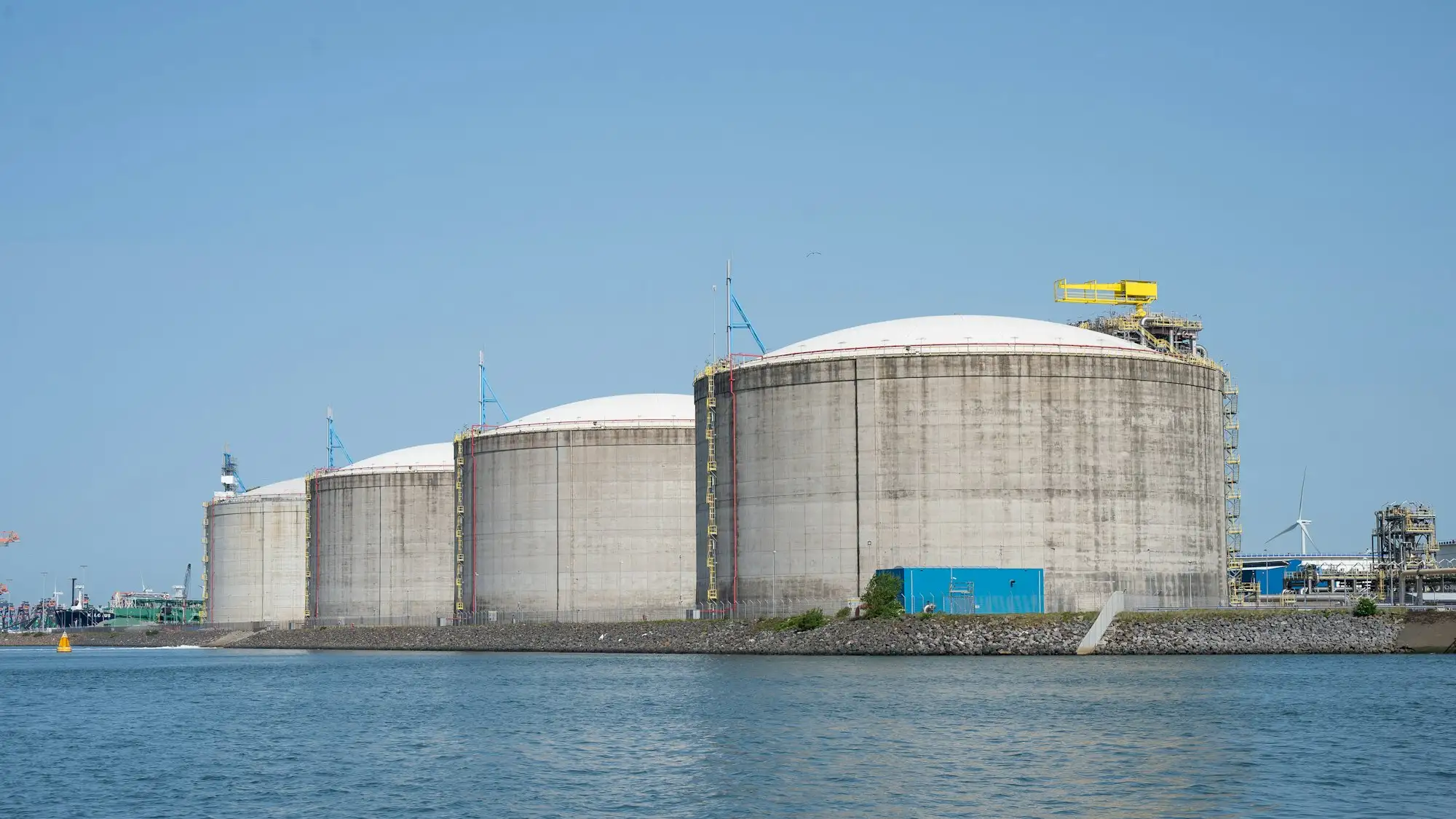
LNG
ROXAY Trading sources and trades liquefied natural gas (LNG) for importers, power utilities and industrial consumers in markets that receive gas by sea rather than by pipeline.
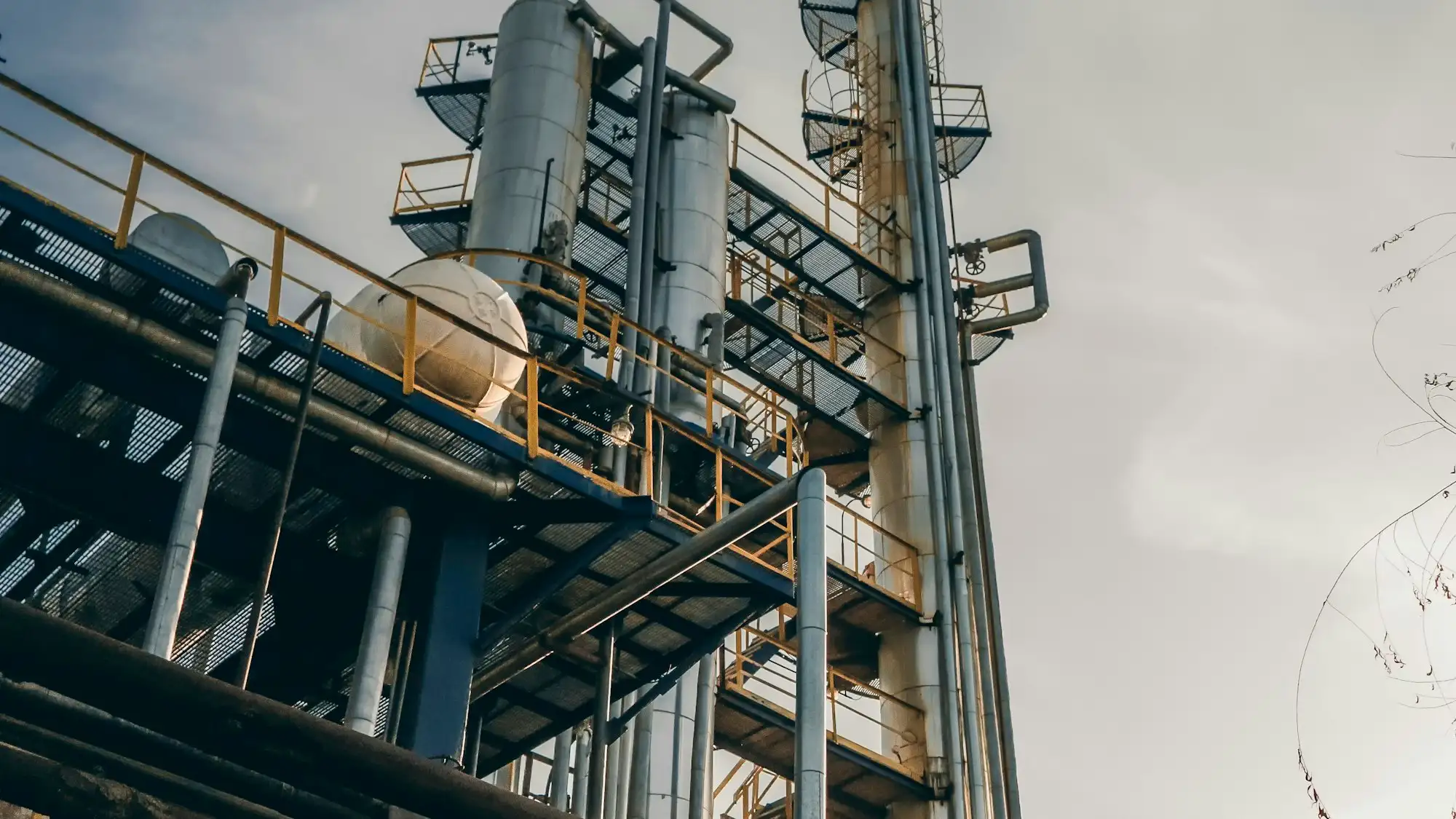
Natural Gas
ROXAY Trading sources and trades natural gas for industrial consumers, power generators and importers — as pipeline supply or, where no connection exists, as LNG.