
Polymers
Polyethylene (PE) sourcing and trading
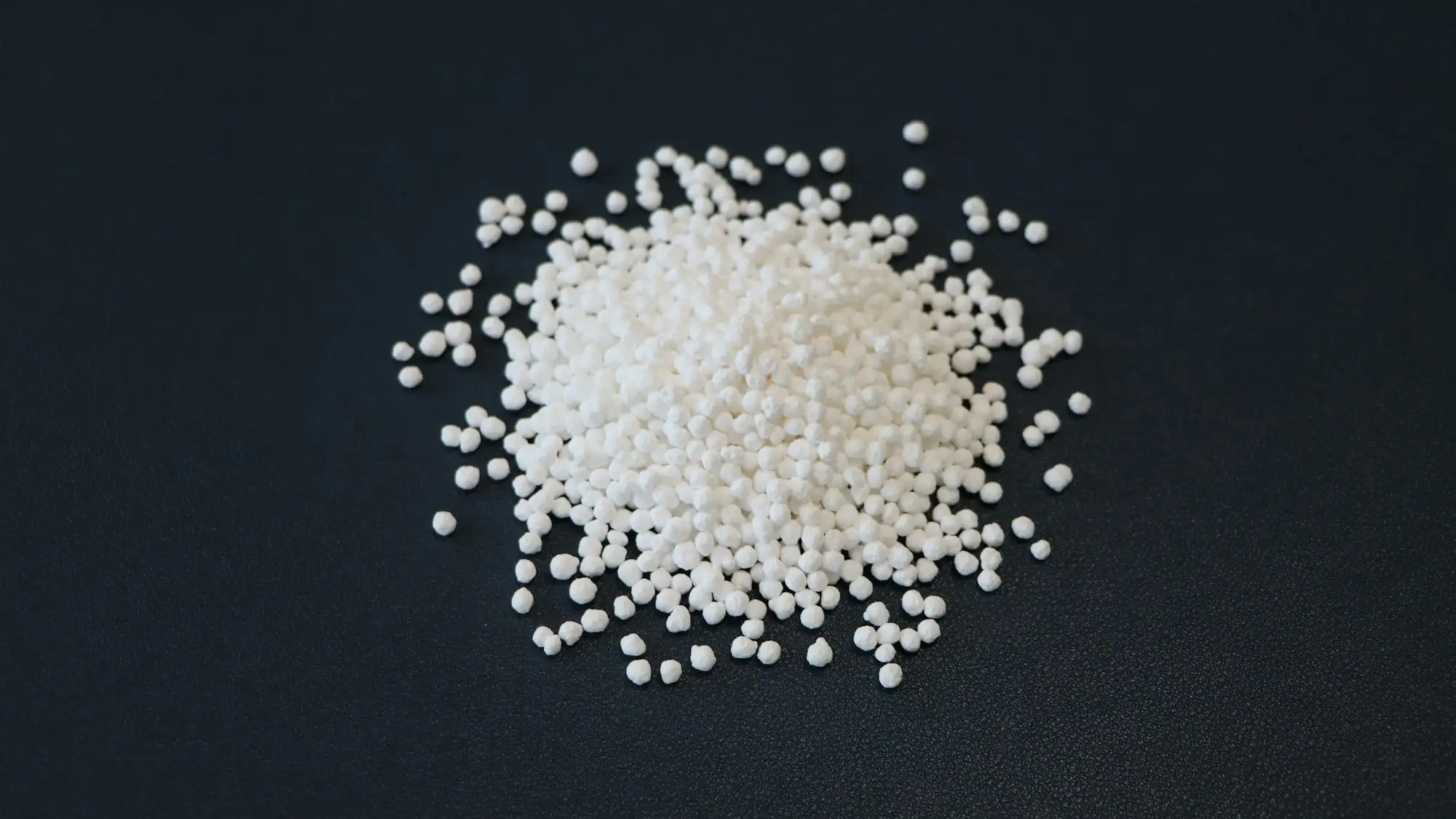
ROXAY Trading sources and trades polyethylene across HDPE, LDPE and LLDPE families for film, pipe, moulding and packaging converters.
At a glance
- Category
- Polymers
- Typical buyers
- Film and pipe converters, packaging producers, compounders, distributors
- Specification drivers
- Density family (HDPE / LDPE / LLDPE), melt flow index, application
- Grade families
- HDPE, LDPE, LLDPE — each a different process and application
- Feedstock
- Ethylene, from natural gas or naphtha cracking
- Supply forms
- Pellets or powder, bagged or bulk
- Common Incoterms
- FOB, CIF, CFR — set per transaction
- Priority markets
- China, India, Pakistan, Africa, wider Asia
Polyethylene (PE) Supply & Global Trade Solutions
Polyethylene supply and trade worldwide is the backbone of the plastic industry. PE is the most produced plastic in the world, and its trade is also large volume.
What Is Polyethylene in Commodity Trading?
Polyethylene is a chemical that trades on commodity markets. It is made by polymerising ethylene obtained from petroleum or natural gas. When traded and sold as a commodity, it is usually priced by the tonne. Buyers are plastic manufacturers, packaging factories and pipe manufacturers. The sellers are big petrochemical plants and dealers.
Primary PE Grades: HDPE, LDPE, and LLDPE Resin Supply
There are three major types of polyethylene: • HDPE (High-Density Polyethylene) – This one is tough and durable. It is used to make bottles, pipes, caps and toys.
- LDPE (Low-Density Polyethylene): Flexible, clear; it is preferred in bags, films and packaging materials.
- LLDPE (Linear Low-Density Polyethylene): It is more flexible and stronger. Used in stretch film, packaging and covers for agriculture.
Each has a different production method, application area and price. These three types are supplied in various forms of granules or powders.
Global Polyethylene Market Dynamics & Trends
The global polyethylene market is constantly evolving with changes in production capacity, consumer patterns, environmental regulations, and economic growth. Rapid industrialisation in Asian countries has increased the demand of PE in recent years. Recycling and sustainability issues are also impacting market trends.
Polyethylene Supply and Demand
The most basic factor affecting PE prices is the balance between supply and demand. Production facility capacity, maintenance shutdowns, raw material costs and global economic conditions impact supply. Demand, meanwhile, is based on activity in the packaging, construction, automotive and agriculture sectors. Prices fall when there is excess supply; prices rise when there is excess demand.
China Polyethylene Market
China is the world’s largest producer and consumer of polyethylene. The country has big petrochemical plants that satisfy the domestic needs and also export. PE demand stays stable and high, as supported by China’s economic growth and the vitality of construction and packaging sectors. However, production can sometimes be hampered by environmental regulations and energy restrictions.
India Polyethylene Market
he polyethylene market in India is a fast-growing polyethylene market. The increasing demand for plastic products is an outcome of the rising population, industrialisation and urbanisation. Domestic production in India is increasing, but still imports are needed from time to time. Agriculture, packaging and pipe are the major demand drivers for PE.
Asia Polyethylene Demand
Asia represents the largest share of global demand for polyethylene. China, India, Japan, South Korea and the Southeast Asian countries are the largest consumers of PE in the packaging, electronics, automotive and construction sectors. With the economic growth in the region, demand is expected to continue to increase.
What Determines Global Polyethylene Prices?
PE prices depend on many factors:
- Cost of raw materials (petroleum and natural gas)
Production capacity and the quantity supplied
- World demand and economic growth
- Shipping & Logistics costs
- Currency exchange rates
- Rules and environmental taxes
- Changes in the geopolitical context
The PE price in the international market depends on the combination of these factors.
How Crude Oil and Natural Gas Prices Affect PE Markets
Polyethylene is made from ethylene, which comes from oil and natural gas. Thus, the prices of these two sources of energy affect the cost of PE directly. When prices of oil go up, the raw material cost goes up, and generally prices of PE go up. So the natural gas price also affects the cost of production. Especially in the Middle East and North America. Energy price swings introduce uncertainty to the PE market.
Polyethylene vs Polypropylene: Key Differences & Trade Comparison
PE and PP come from similar raw materials but have different properties:
- PE is softer, more flexible and better at resisting impact. It makes a difference in packaging and film production.
- PP is heat resistant, harder and resistant to chemicals. It is preferred in automotive, medical equipment, and food containers.
In terms of trade, both are traded on a tonne basis. Prices are determined by different supply-demand dynamics. Relative prices vary by grade, feedstock costs, regional availability and the delivery period.
What a buyer needs to define
- Grade family — HDPE, LDPE or LLDPE.
- Melt flow index and density, plus any additive requirement.
- Application — film, pipe, moulding or compounding, since it narrows the grade.
- Volume and cadence — monthly requirement or single cargo.
- Packaging and discharge point — bagged or bulk, and what the site can receive.
How ROXAY handles a polyethylene trade
Once the grade is defined, we qualify suppliers who can consistently produce it at the volume and cadence the buyer needs. We then structure the commercial terms, agree packaging and documentation, and organise delivery against the applicable Incoterm.
Where a buyer has a recurring monthly requirement, the arrangement is built to repeat rather than renegotiated each time.
Producers, origin countries, suppliers and routes are not published.
Questions buyers ask
Which polyethylene grades does ROXAY Trading supply?
Sourcing covers the HDPE, LDPE and LLDPE families and is qualified against the specific grade, melt flow index and application the buyer states. Polyethylene is not interchangeable between applications, so the grade has to be defined before supply can be qualified.
What is the difference between HDPE, LDPE and LLDPE?
They differ in molecular branching, which changes stiffness, clarity and processing behaviour. HDPE is denser and more rigid, used for containers and pressure pipe. LDPE is softer and clearer, used for flexible film. LLDPE combines flexibility with higher tear strength and is widely used in stretch and packaging film.
Why is melt flow index asked for at enquiry stage?
Melt flow index describes how the material behaves under heat and pressure, which decides whether it will run correctly on a given line. Material that matches on density but not on melt flow can fail in production even though it is the right grade family.
Can ROXAY supply polyethylene on a recurring monthly basis?
Yes. Converters running continuous lines are typically served on a repeating arrangement, provided the grade and volume profile are stable enough to plan supply against.
What is the difference between HDPE, LDPE and LLDPE?
They are the same polymer at different densities and chain structures, made by different processes, and they are not substitutes for one another. HDPE is rigid and strong, used for bottles, caps, pipe and crates. LDPE is soft and clear, used for bags and films. LLDPE is tougher and more puncture-resistant, used for stretch film and agricultural film. A converter's line and product decide which family is usable.
What drives polyethylene prices?
Feedstock cost comes first — ethylene, and behind it natural gas or naphtha. Then production capacity, planned and unplanned plant shutdowns, regional supply-demand balance, freight, exchange rates and the pace of end-use demand in packaging, construction and agriculture. Because several of these move independently, PE pricing can shift for reasons unrelated to converter demand.