

Insights
Market context, written for buyers
Notes on how energy, metals and polymer markets behave — and what that means when you are the one placing the order. No price calls, no confidential data.
- 7 min read
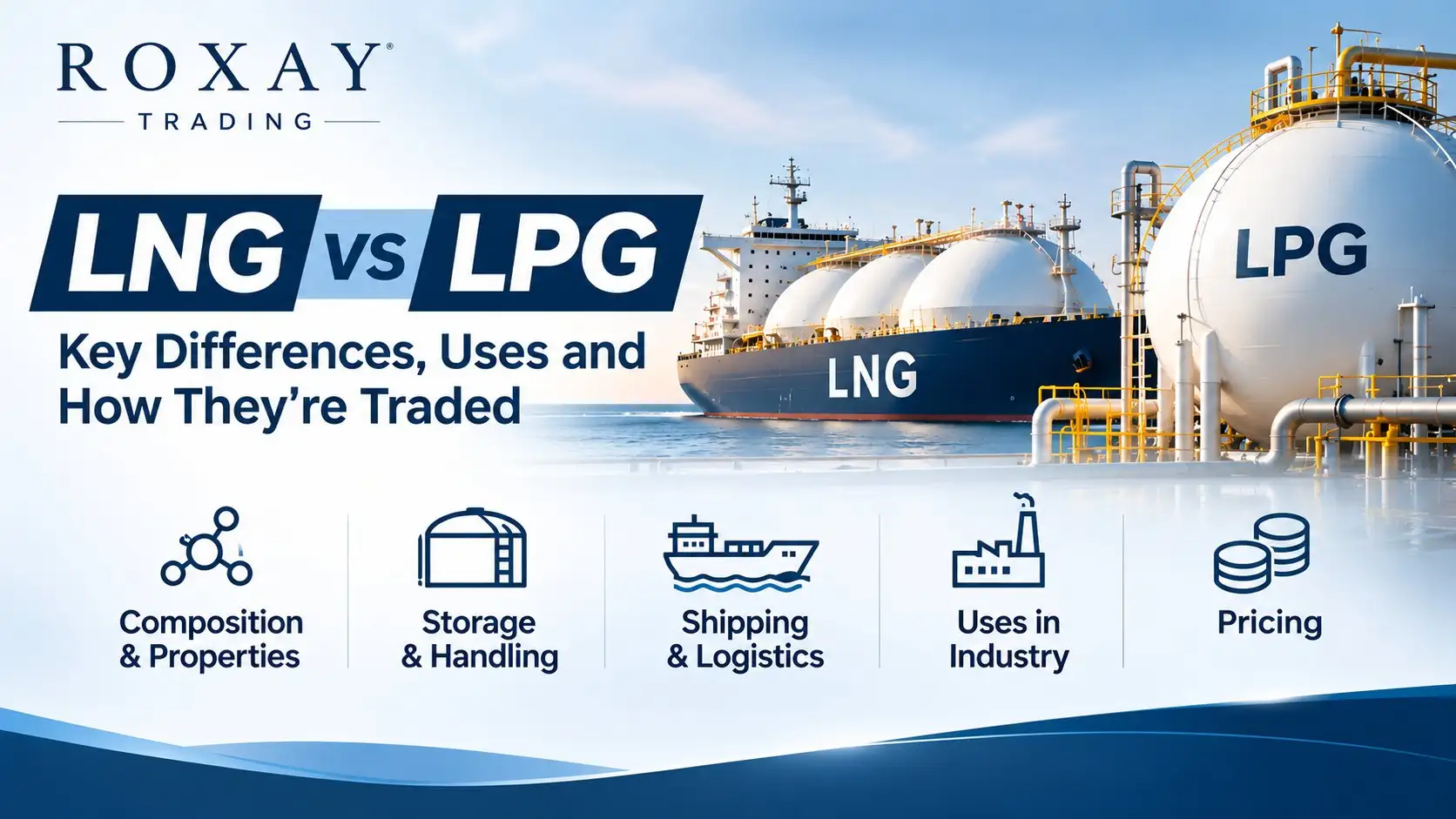
LNG vs LPG: key differences, uses and how they're traded
LNG is natural gas cooled to a liquid; LPG is propane and butane held under pressure. They come from different molecules, travel on different ships, follow different price benchmarks and need different receiving equipment.
- 9 min read
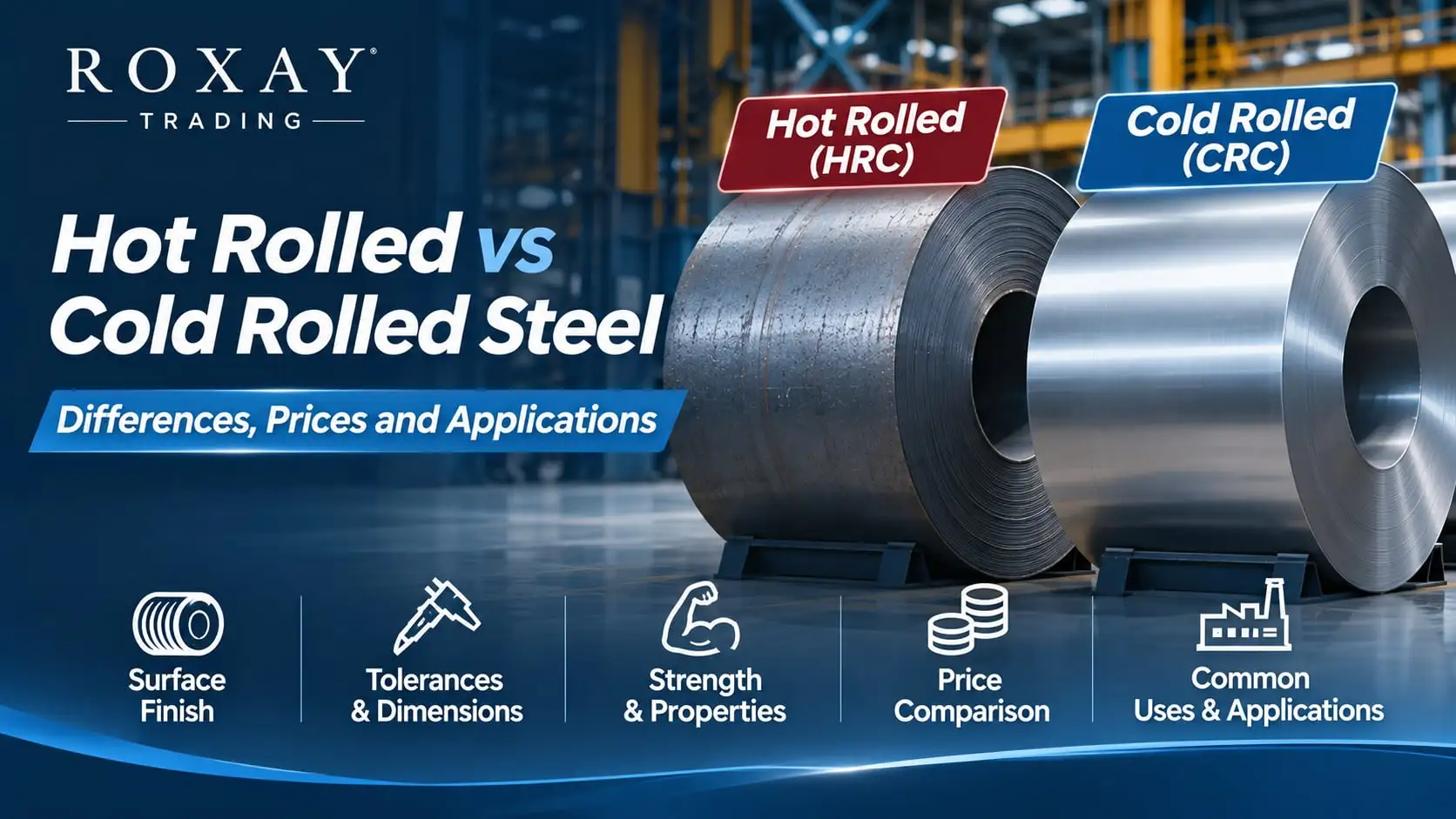
Hot rolled vs cold rolled steel: differences, prices and applications
Hot rolled steel (HRC) is rolled above its recrystallization temperature and is cheaper, with a scaled surface and wider tolerances. Cold rolled steel (CRC) is HRC that has been pickled and rolled again at room temperature, giving a smoother finish, tighter tolerances and a higher price.
- 9 min read
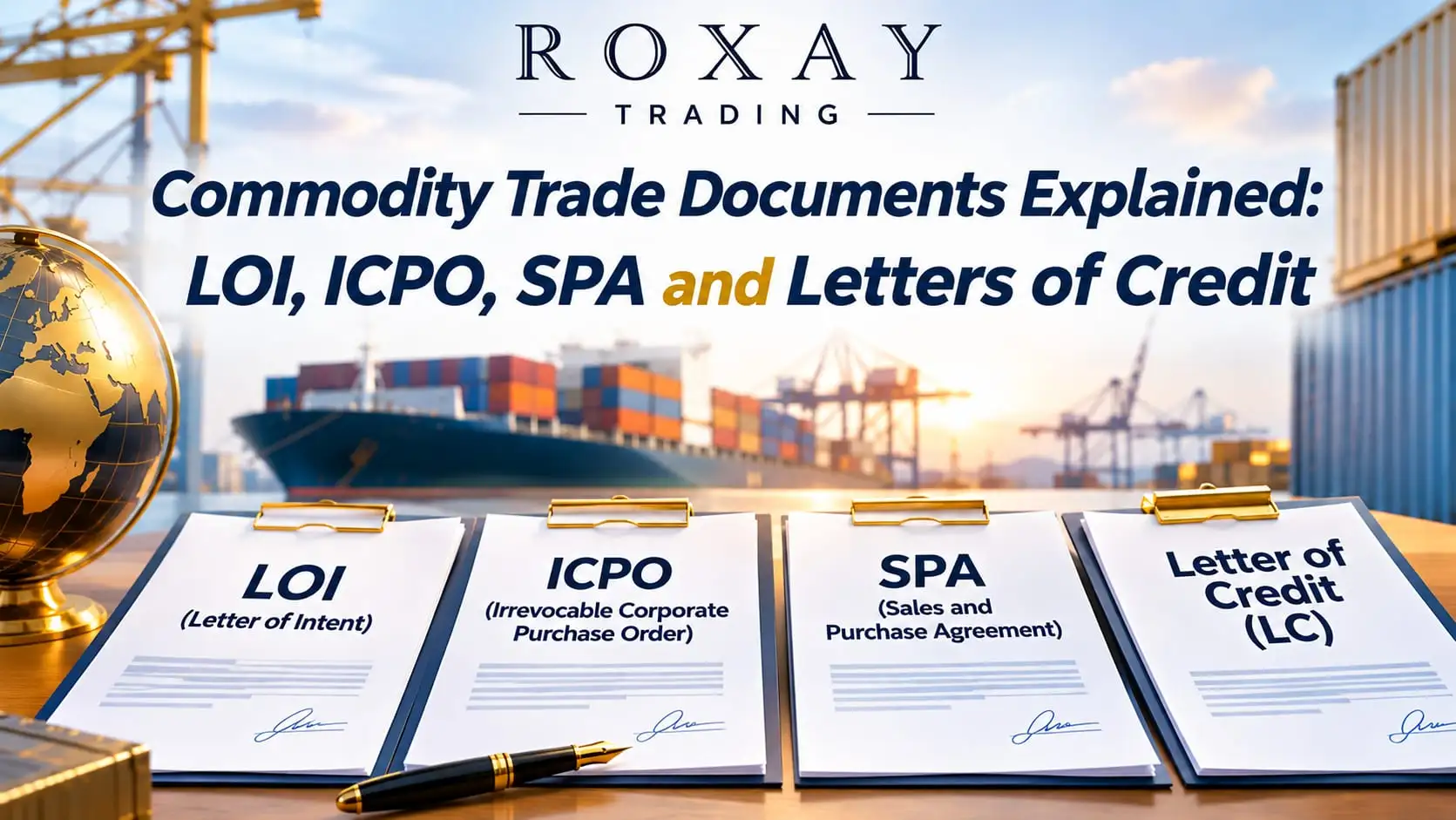
Commodity trade documents explained: LOI, ICPO, SPA and letters of credit
In physical commodity trading the paperwork is rarely a formality. This guide walks through each document in a deal (LOI, ICPO, FCO, SPA, letters of credit, bills of lading and inspection certificates), where it sits and which ones actually carry weight.
- 11 min read
What is commodity trading? A guide to global commodity markets
Commodity trading moves raw materials from where they are produced to where they are consumed, bridging the gap in place, time and form. This guide covers how physical trade works and how an international transaction is financed.
- 15 min read
What is global commodity sourcing? A guide to international procurement
Global commodity sourcing is the chain from the mine, well or field where a raw material originates to the industrial buyer that consumes it. This guide covers how that chain runs and how suppliers are found and verified.
- 8 min read
Understanding commodity markets: supply, demand and trade flows
Market intelligence is the work of reading a commodity market properly: prices, the supply and demand balance and trade flows. This guide explains market fundamentals and regional trade flows; it is not a live market report or a price forecast.
- 14 min read
Commodity prices: key drivers, markets and trends
Commodity prices are among the clearest gauges of the global economy, and no price moves for a single reason. This guide sets out the five drivers acting on every market, then what specifically moves each commodity.
- 3 min read
What is a commodity trading partner?
A commodity trading partner sits between global supply and market demand, taking commercial responsibility for the transaction rather than producing the goods or introducing two parties for a fee.
- 4 min read
Incoterms for commodity buyers: FOB, CIF and CFR
Incoterms define where cost and risk transfer between seller and buyer. In commodity trades, FOB, CIF and CFR are the three that come up most, and the choice between them decides who arranges shipping and who carries the risk in transit.
- 3 min read
LNG vs pipeline natural gas: what industrial buyers should know
LNG and pipeline natural gas deliver the same molecule by different routes. The choice is usually decided by receiving infrastructure rather than preference, and it changes cost structure, flexibility and contract length.
- 3 min read
PE vs PP: choosing the right polymer for your line
Polyethylene and polypropylene differ in stiffness, heat tolerance and impact behaviour. The choice is set by the end use and the process, and within each family melt flow index decides whether the material will run at all.
- 4 min read
From iron ore to steel: how the supply chain moves
The route from iron ore to finished steel passes through mining, shipping, ironmaking, steelmaking and rolling. Each stage changes what is being bought and which specification matters to the buyer.