

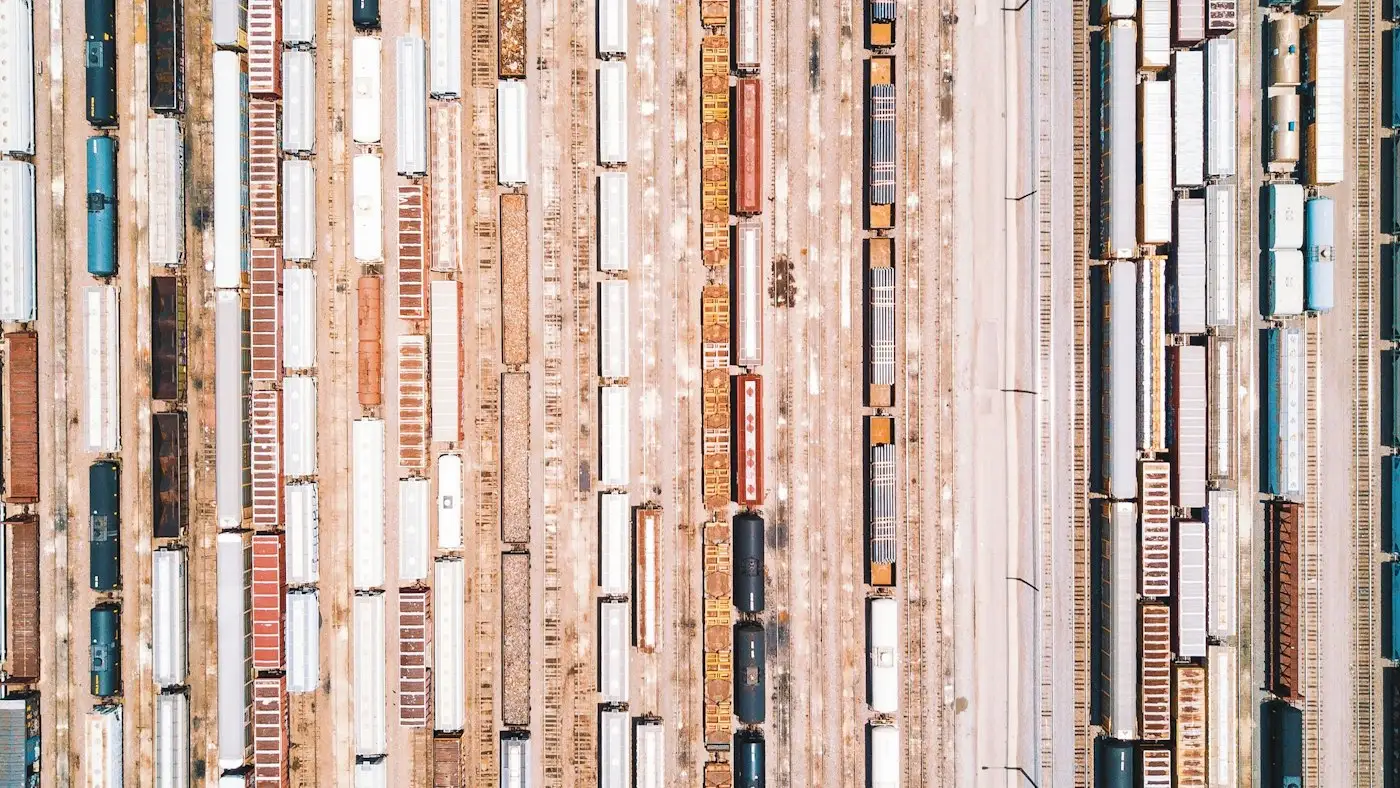
International commodity sourcing; complex multi-step physical, commercial and logistical chain, from the source of raw material extraction or growing (supplier/producer) through processing to the final consumer or industrial establishment (buyer).
But commodities are rarely consumed where they are extracted. Mines, oil wells and fields are mostly located far away from cities and industrial centres.
How Global Commodity Sourcing Works
The global commodity sourcing works in a phased manner based on the extent to which the companies are open to international markets and their organisational maturity. In this process, companies constantly weigh total delivery cost, product quality, lead times and supply chain flexibility to shape their decisions.
Supply processes usually evolve in the following levels:
- Domestic Market-Focused Procurement: The level where basic procurement is done from the domestic market but the search for transition to the international market starts due to local inadequacies.
- Temporary (Ad-Hoc) International Purchasing: This is reactive purchasing from abroad as needed.
- Strategic International Purchasing — The stage in which international purchasing becomes part of the company’s overall strategy, but the coordination between the global units is not yet complete.
- Integrated Global Sourcing — Global information systems, employment of staff with advanced skills, and coordination between units characterise this level.
- Full Integrated Global Sourcing — The highest level of design and procurement activities coordinated with all global entities and suppliers from the stage of new product and technology development.
Global Commodity Sourcing: From Supplier to Buyer
This process occurs in three main dimensions: the stages of the physical chain, the fundamental transformations applied to the commodity and the commercial/operational execution steps.
The Physical Supply Chain Stages (Upstream, Midstream, Downstream)
The stream of commodities passes through three basic stages, from the extraction from nature to the transformation into the final processed product:
- Upstream — Primary supply This is the main production process in mines, oil wells, gas fields and agricultural areas. We then have primary commodities, such as crude oil or raw copper ore, that are taken directly from nature. The products are not standardised yet, and the chemical structures of the products depend on the source from which they are extracted.
- Midstream — Logistics, Storage and Blending: Moving raw materials by land (truck, train, pipelines) and sea (bulk carriers, tankers) safely without the risk of accidents and spills, storing them at port terminals, and blending them in preparation for processing at strategic facilities.
- Downstream — Conversion and Final Delivery: Refineries, smelters or processing facilities convert primary commodities into usable secondary commodities such as petrol, diesel or copper cathodes and deliver them to manufacturers, energy companies or distributors.
Three Key Transformations in the Supply Process
Commodity trading and supply companies along the route from supplier to buyer make three basic changes to fix the imbalances between supply and demand:
- Transformation in Space — Transportation: Movement of goods from remote geographical locations where they are produced to global market centres for consumption by sea, land, rail or pipeline.
- Transformation in Time — Storage: When production and consumption times are not in sync (e.g., seasonal agricultural products or sudden demand changes), it requires holding commodities in strategic warehouses or tanks before bringing them to market.
- Form Transformation — Blending & Processing: The blending of different grades of cargoes in warehouses or the processing of them by refineries to ensure that the raw materials taken from nature meet the technical specifications of the buyer. Ore shipments that are high in sulphur or arsenic are mixed with cleaner shipments to bring them to a quality that can be accepted by standard smelting facilities.
Commercial and Operational Execution Supplier to Buyer Steps
An international commodity supply transaction consists of 5 major operational steps from the agreement on paper to the physical delivery of the cargo:
Step 1: Buyer Demand Understanding & Qualification (Demand Qualification and KYC)
It starts by identifying the exact commercial need of the buyer (type of product, chemical characteristics, quantity, port of delivery, timing and end-use application). The supplier or intermediary company performs Know Your Counterparty (KYC) and sustainability/risk audits to verify the legal and commercial strength of the buyer counterparty.
Step 2: Securing the Supply Source (Sourcing and Producer Agreements)
Buyers approach producers to supply the raw material that meets the buyer’s needs. To secure the supply, long-term purchase agreements (offtake agreements) or pre- payment agreements (which provide the producer with advance financing) or spot market purchases are carried out.
Step 3: Commercial Structuring & Trade Finance Pricing
The pricing mechanism (premium/discount based on exchange-based reference prices or indicators from price reporting agencies such as Platts/Argus), payment terms and Incoterms (e.g., FOB, CIF, CFR) that determine risk/cost transfer points are agreed. The transaction financing is secured by using a Letter of Credit (LC) mechanism through banks: The buyer’s bank will issue an LC to the seller/supplier.
- The Bill of Lading (BL) is the title of ownership, and it is signed by the ship captain when the product is loaded onto the ship.
- Banks transfer the payment to the seller in return for the BL and quality certificates, and the ownership right goes to the buyer.
Step 4: Logistics and Operational Execution (Logistics, Chartering and Operations)
Once the agreement is reached, the operations team will take care of the process:
- Charter of suitable sea-going vessels for cargo transport (bulk carriers for dry cargo, tankers for liquid products) (voyage charter or time charter).
- Loading and unloading times (laytime) are carefully monitored to avoid delays and demurrage penalties.
- Independent inspection companies (inspectors) are appointed to check the quantity and quality of the cargo at the loading and unloading ports impartially.
- Marine cargo insurance and commercial risk insurance completed.
Step 5: Physical Delivery and Discharge
The ship arrives at the port of destination, where the final quantity and quality checks are performed by independent inspectors. The BL (Title of Ownership) is released by the buyer’s bank, and the cargo is physically delivered to the buyer (refinery, factory, or facility), thus successfully completing the supply cycle.
How to Find Reliable Commodity Suppliers Worldwide
Finding good commodity suppliers around the world is a very different thing from buying standard consumer goods. Physical commodities are heterogeneous and exhibit quality differences depending on the mine, oil well or agricultural land from which they are extracted. Moreover, commodity trading does not occur on one single, centralised exchange but in bilateral “search markets” where buyers and sellers interact directly.
The key steps and methods to identify, assess and verify qualified and reliable commodity suppliers around the globe are as follows:
Two-Sided Search and the Use of Commodity Trading Networks
Getting to the producer directly can be hard because commodity markets are complex. CTF also performs the role of two-sided search, bridging the gap between producers and buyers in the global market.
- Expert Seekers (CTFs) — Trading firms continue to match the quality and volumes offered by different producers around the world with the specific technical requirements of buyers’ factories or refineries.
- “Field Presence” (Boots on the Ground) — The best way to get to reliable sources is to work with local representatives or expert procurement teams that are familiar with the local culture, language and legal processes of the production area.
Country and Environmental-Level Risk Assessment (PESTLE Analysis)
Before assessing a supplier, it is advisable to analyse the macro conditions of the supplier’s country.
- Political and Legal Risks — stability of government, trade restrictions, export bans and sanction policies. The countries and regions are filtered using the PESTLE framework and Balanced Scorecard models in international procurement strategies.
- Economic Factors — Changes in the value of the dollar/local currency, inflation rates and the adequacy of infrastructure.
- Environmental and Social Conditions — Climate risks, environmental regulations and labour law in the region.
On-Site Visits and Site Inspections
However sophisticated data systems become, the only way to get a real insight into a supplier’s true capacity for commodity procurement is to visit their facilities in person.
- Physical Verification — Whatever the sophistication of your systems, there’s no substitute for a physical visit to verify the suppliers’ own declarations and standards.
- HSEC and Operational Standards — Field audits confirm the supplier’s compliance with Health, Safety, Environment and Community (HSEC) principles, cleanliness of storage areas and measures to reduce the risk of theft/contamination.
H-3 Transparency, Traceability and Sustainability Platforms
Supply chain transparency is becoming a more and more important criterion on the global market. Independent monitoring platforms are used to determine reliable suppliers.
- Reporting and Scorecards — Various platforms and organisations publish independent company scorecards that report on the environmental and ethical performance of suppliers.
- Geographic Traceability — Satellite and map-based platforms enable verification of whether agricultural or mineral commodities are driving deforestation and whether their source is legal.
In-depth Intelligence, KYC and Financial Audit (Due Diligence)
Comprehensive Know Your Counterparty (KYC) and compliance audits are used to determine the commercial and legal reliability of the supplier candidate:
- Financial Soundness Analysis — We review the supplier’s balance sheet, payment history, and credit risk score (i.e., Moody’s KMV analytics).
- Compliance to Regulations and Responsible Sourcing — The supplier is audited for compliance with the OECD Responsible Supply Principles, for involvement in human rights violations and for compliance with regulations on conflict minerals (tin, tantalum, tungsten and gold).
Independent Inspectors
Once the deal is done and you have reached the stage of loading the cargo, independent third-party inspectors are invited to ensure reliability of delivery.
- Quantity and Quality Certification — At the loading and unloading ports, independent inspection companies (inspectors), recognised internationally, are appointed to register the chemical analysis, purity and total weight of the product.
- Letter of Credit Condition — Banks will need these independent inspection certificates and the Bill of Lading signed by the Captain of the ship before they release Letter of Credit payments.
Dual/Multi Sourcing and Competitive Bidding Mechanisms
The most fundamental rule of risk protection is not to remain dependent on a single supplier or country (single sourcing).
- Distributing the Supplier Portfolio — A portion of the need is met from low-cost distant geographies, while another portion is allocated to secondary suppliers in nearby geographies who can provide flexible and fast delivery (dual sourcing).
- Market Auctions and Transparent Pricing — Public tenders, where suppliers are competing under transparent conditions, and closed bidding methods or online auction systems are used to filter the most competitive and reliable offers.
How Companies Source Commodities from International Markets
Companies use different commercial structures and financial mechanisms when sourcing products from international commodity markets:
- Offtake Agreements — These are contracts that commit to purchasing a certain percentage of a project’s or mine’s future production over many years; they offer market assurance to the producer and supply guarantee to the buyer.
- Pre-payment Agreements: It is the provision of pre-financing to producers, especially in developing countries, in exchange for future delivery of commodity shipments.
- Spot Market Purchases — Short-term cargo purchases made at reference prices linked to exchanges for immediate needs.
- Vertical Integration and Joint Ventures — This involves companies directly investing in or forming partnerships with mining, refining, or logistics infrastructure assets to enhance supply security.
Global Sourcing vs Traditional Procurement: Key Differences
The key differences between traditional procurement and global sourcing are concentrated in the areas of scale, strategic focus, and complexity.
| Feature | Traditional Procurement | Global Commodity Sourcing |
|---|---|---|
| Geographic Scope | Focuses primarily on local or regional suppliers. | Encompasses global sources and integrates international networks. |
| Primary Focus | Reducing immediate purchase price and preventing operational disruptions. | Total Cost of Ownership (TCO), quality, sustainability, and continuity of supply. |
| Supplier Relationship | Typically arm’s-length and transactional relationships. | Cross-functional integration and strategic partnerships. |
| Organizational Structure | Unit-level or regional procurement decisions. | Globally consolidated spend analysis and centralized commodity councils. |
What Makes a Reliable Commodity Supplier?
The basic features that a trustworthy commodity supplier should have are:
- Complete Delivery Capacity (OTIF) — The ability to deliver according to the agreed specifications, in the agreed quantity, and on time.
- Financial stability and liquidity — the supplier needs to be financially strong enough to buy raw materials, operate and pay employees without interruption.
- Technical Skills and Quality Control — Ability to control the quality of the production and reject rate and to respond to the technical requirements of the buyer.
- Ethics, environment and legal compliance — full compliance with environmental regulations, occupational health and safety rules and international ethical standards (e.g., conflict minerals laws).
How to Evaluate International Commodity Suppliers
Both quantitative and qualitative analytical tools are used in conjunction for the evaluation of international suppliers:
- PESTLE and Balanced Scorecard (BSC) Framework — Score the political, economic, social, technological, environmental and legal risks of supplier countries with more than 100 drivers to assess the strategic alignment.
- Total Cost of Ownership (TCO) Models — It calculates the product purchase price, transportation, customs, insurance, taxes, inventory holding and possible quality errors in a holistic way.
- Supplier Evaluation Frameworks — Suppliers are evaluated periodically in four broad categories:
- Financial/Commercial — Price benchmarking, compliance to contract terms.
- Quality — Error rate, rejected shipment %, corrective actions speed.
- Delivery — On-time and full delivery rate.
- Support & Relationship — openness, information sharing, and product development support.
Commodity Procurement Strategy
A successful commodity procurement strategy is founded on corporate structures and systematic processes. A common standard is Lasseter’s 7-step commodity strategy model:
- Spend Analysis — Classification and analysis of past and future purchasing data of all units of the company.
- Market and Industry Analysis — Analysis of supplier market structure and competitive dynamics using Porter’s 5 Forces model.
- Determination of Cost and Performance Drivers — Identify critical cost drivers in quality, technology, and production processes.
- Supplier Role Determination — Subcategorising supplier types and roles by commodity subcategories.
- Business process alignment — reengineering internal processes to align better with suppliers.
- Savings Targets Quantified — Translating the strategy into scalable savings targets.
- Implementation and Continuous Evaluation — The strategy is implemented, and the performance is monitored using project management tools (WBS, Gantt).
Managing Supply Risk in Global Commodity Sourcing
Global commodity supply brings with it numerous risks such as price fluctuations, long shipping routes, customs delays, currency risks, piracy/security issues, and geopolitical tensions.
The main techniques used to manage these risks are as follows:
- Dual/Multi Sourcing — Obtaining the same product from manufacturers in different geographical locations to avoid dependency on a single supplier.
- Risk Profiles and Scenario Planning — Analysing crisis scenarios in advance using probability and impact diagrams (risk/impact diagrams).
- Financial Hedging — Fixing prices against price fluctuations using derivative contracts in futures exchanges.
- Buffer Stocks and Trade Insurance — Maintaining strategic stocks and using credit/political risk insurance to balance potential disruptions in long supply lines.
How Commodity Sourcing Companies Support International Buyers
Commodity sourcing/trading firms are not mere middlemen between buyers and sellers but necessary constructs to take on the commercial and operational obligations of the transaction.
Sourcing partners provide the following key supports:
- Flexibility and Customisation — They blend raw material from different mines or sources to meet the buyer’s factory or refining specifications.
- Logistics and Operations Management — They assume the operational risks from the buyer by managing the chartering of ships, the port loading/unloading times (laytime/demurrage), storage, and customs procedures.
- Trade Finance — Large-ticket transaction financing through the creation of Letters of Credit and borrowing base lines of credit with banks.
- Certification — They employ independent inspection companies (inspectors) to record and verify the quantity and quality of the cargo.
The Importance of Supplier Diversification in Commodity Trading
Advantages of diversifying suppliers:
- Flexible Delivery Times — A balance between cost and time is achieved by sourcing products that need speedy delivery from nearby geographies (nearshoring) and high- volume standard products from inexpensive distant geographies.
- Competitive pressure — Tenders or online systems are used to compete between different suppliers to get the best prices and terms.
- Supply Security — if the weather, strikes or political unrest affect a location, production can be moved to other suppliers.
How Global Sourcing Can Improve Supply Chain Flexibility
Global commodity sourcing allows companies to be agile in the face of changing market conditions (“optionality”).
Mechanisms that increase flexibility:
- Dynamic Routing — Firms with multi-pronged supply networks are able to reroute shipments in transit to the destination with the highest margin when demand drops in a regional market or prices increase in another market.
- Postponement just in time — Low-cost global sourcing of raw materials, with the final configuration based on end-consumer demand being done at facilities near the market.
- Alternative Source Substitution — The blending of commodities from various mines or sources to be used interchangeably.
Challenges of International Commodity Sourcing
While global commodity supply offers great opportunities, it also presents serious challenges:
- Long Delivery Times and Loss of Agility — Transporting goods from distant geographies extends the supply chain, increases inventory holding costs, and makes it difficult to respond to sudden changes in demand.
- Hidden Costs — Focusing solely on the product price without accounting for freight increases, customs duties, additional paperwork, currency risks, and quality correction costs can erode net profit.
- Communication and Control Challenges — Due to different cultures, language barriers, and distance, maintaining factory inspections and quality standards becomes difficult.
- Environmental Footprint (Carbon Footprint) — Intercontinental long-distance transportation can lead to high carbon emissions, challenging companies’ environmental sustainability goals.
How to Build a Reliable Global Commodity Supply Network
How to build a resilient global commodity supply network:
- Balanced Network Design — A balanced network should be created between low-cost remote geographies and flexible nearshore resources.
- Standardisation and Process Discipline — Common processes, open KPI scorecards and transparent contract standards should be implemented across all procurement units.
- Trust-Based Long-Term Partnerships Instead of suppliers being used as a vehicle to reduce costs, sustainable relationships should be based on transparency and the creation of mutual value.
- Executive support and cross-functional teams: global sourcing projects only work with executive commitment and cross-functional teams that bring together engineering, finance, logistics and procurement.
From Global Supply to Market Demand: The Role of Sourcing Partners
Commodity sourcing partners link verified supply sources worldwide with the qualified commercial demand of industrial companies.
The role of sourcing partners in this process:
- Qualifying Demand — Confirming, in unambiguous terms, the product specifications, quality, volume, location and timing of delivery required by the buyer.
- Finding the Right Source — Using international networks to locate the right manufacturer for the buyer’s specs.
- Commercial Structuring — Creating a viable commercial structure for product quality, pricing, payment terms, logistics and delivery terms (Incoterms; FOB, CIF, CFR).
- Implementation and physical delivery — Management of all operational, financial and logistical steps from the beginning of the process up to the final physical delivery of the cargo to its final destination.