

Metals & Steels
Pre-painted aluminium coil sourcing and trading
ROXAY Trading sources and trades pre-painted aluminium in coil, slit and sheet form for buyers who need a coated flat product that carries no corrosion risk from the substrate itself.
At a glance
- Category
- Metals & Steels
- Substrate
- Aluminium coil — alloy and temper stated per transaction
- Forms
- Coil, slit coil, cut sheet
- Typical thickness
- 0.40–1.20 mm
- Typical width
- 800–1270 mm coil · 500–625 mm slit · 500–1270 mm sheet
- Paint systems
- Polyester and PVDF as standard; specialist systems by agreement
- Typical uses
- Cladding and ceilings, signage, lighting fixtures, electrical enclosures, consumer durables
- Typical buyers
- Panel and cladding producers, signage makers, lighting and enclosure manufacturers
- Common Incoterms
- FOB, CIF, CFR — set per transaction
Pre-painted aluminium is a coil coated flat product with an aluminium substrate rather than a steel one. The coating line is the same idea as pre-painted steel; the reason to buy it is what sits underneath the paint.
Why the substrate is the decision
Aluminium does not rust. On a coated steel panel, corrosion protection at cut edges and scratches depends on the zinc layer doing its job; on aluminium that exposure is not a failure path in the same way.
That single property is what puts coated aluminium on coastal facades, in humid interiors, in lighting and in signage that will never be repainted. The trade-off is real — it costs more, and at equal thickness it is less stiff, so panels are designed around a frame rather than around the sheet.
Where it is used
Architectural cladding and suspended ceilings, signage and display, lighting fixtures, electrical enclosures and panels, consumer durables, and interior surfaces where a coated finish has to survive cleaning.
These buyers behave differently from commodity steel buyers. A signage producer is working to a colour and a flatness requirement; an enclosure manufacturer is working to a forming radius and a fire or electrical standard. The specification has to reflect which of those is being served.
Specification points that get missed
Alloy and temper come first, and are the two most often left out of an enquiry. Temper governs how the coil behaves when it is bent or roll formed, and a coil that is correct on alloy but supplied in a harder temper will crack at the radius the buyer designed for.
After that: thickness and width with tolerance, paint system and top coat thickness, colour reference and gloss band, and flatness where the panel surface is visible in a finished facade.
What ROXAY qualifies before quoting
Alloy and temper, thickness and width with tolerance, paint system and gloss band with colour reference, forming requirement, form and coil dimensions, and the applicable standard for the buyer’s market.
Mills, origin countries, suppliers and routes are not published.
Questions buyers ask
When is pre-painted aluminium chosen over pre-painted steel?
Where weight matters, where the substrate itself must not rust at cut edges, or where the part will spend its life in a humid or coastal atmosphere. Aluminium costs more per square metre and is less stiff at the same thickness, so the decision is usually driven by environment and weight rather than by appearance.
What has to be stated on a pre-painted aluminium enquiry?
Alloy and temper, thickness and width with tolerance, paint system and top coat thickness, colour reference and gloss band, coil inner diameter, form required and the applicable standard. Temper is easy to omit and changes how the coil behaves in forming, so it belongs in the contract.
Does the thinner gauge range limit what it can be used for?
It shapes the application rather than limiting it. Coated aluminium in this range is chosen for facades, ceilings, signage and enclosure work where the panel is supported by a frame or profile. Where the sheet itself has to carry load, buyers move to a thicker gauge or to a steel substrate.
More in Metals & Steels
Iron Ore
ROXAY Trading sources and trades iron and iron ore for steel mills, industrial consumers and importers, qualified against grade, Fe content and delivery route.
Copper
ROXAY Trading sources and trades copper for refiners, wire and cable manufacturers, industrial processors and distributors, qualified against form and purity.
Steel Products
ROXAY Trading sources and trades finished and semi-finished steel products for distributors, fabricators, construction buyers and industrial manufacturers.
Pickled Hot Rolled
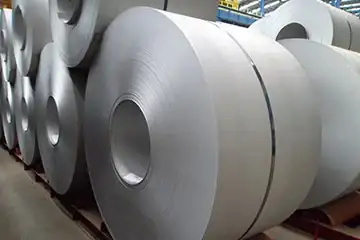
ROXAY Trading sources and trades pickled hot rolled steel in coil and sheet form — descaled, oiled and supplied to the thickness, width and grade a forming line requires.
Galvanized Steel
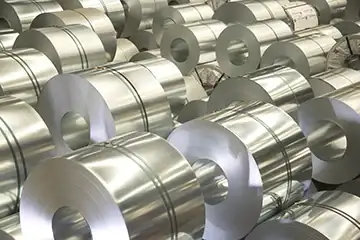
ROXAY Trading sources and trades hot dip galvanized steel in coil, slit and sheet form, qualified against zinc coating weight, thickness tolerance and the standard the buyer's market applies.

Pre-Painted Steel
ROXAY Trading sources and trades pre-painted galvanized steel in coil, slit and sheet form, qualified against paint system, colour reference, gloss level and the zinc coating beneath the paint.