

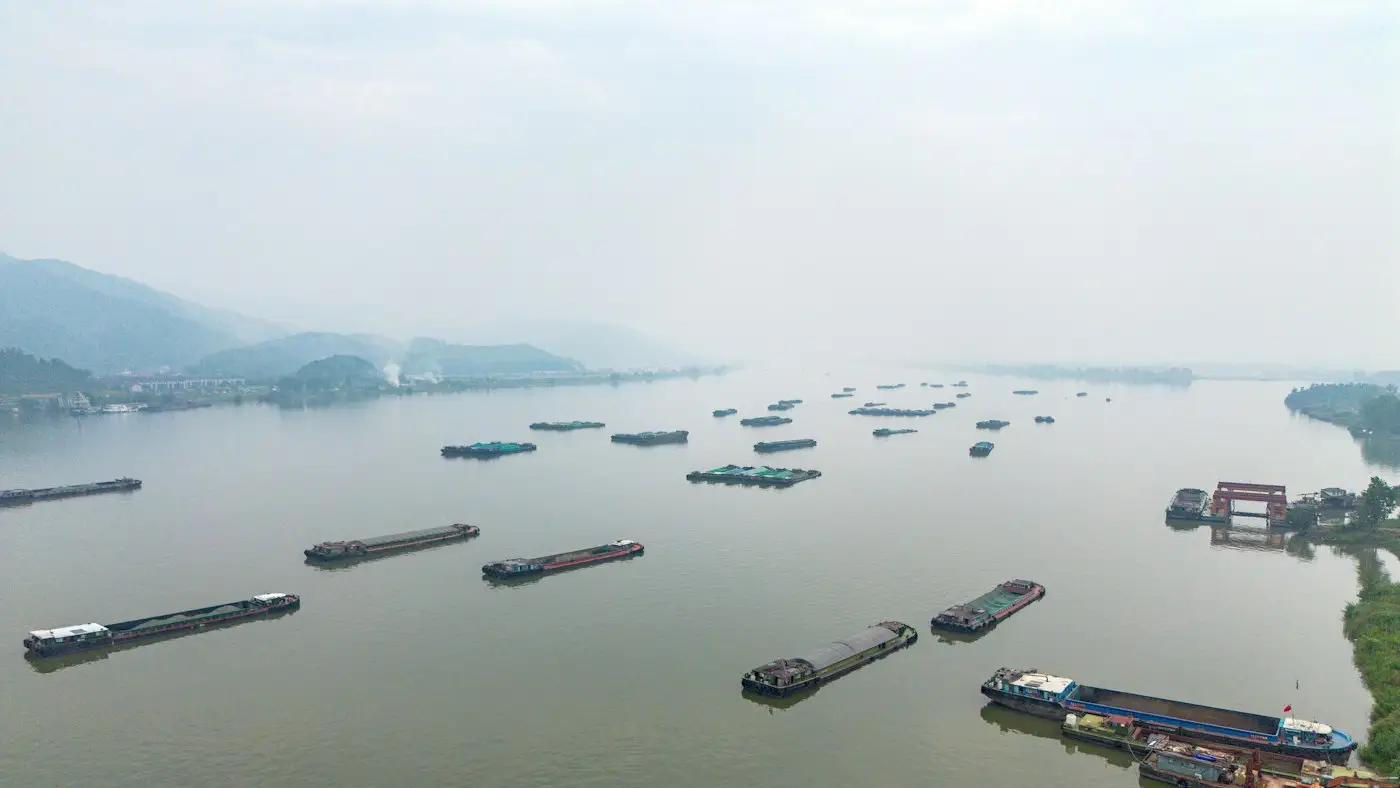
The world commodity market is a gigantic web of raw materials bought and sold all over the world. These raw materials include a broad spectrum of energy sources (oil, natural gas, LNG), metals (iron, copper, aluminium), agricultural products (wheat, maize, coffee) and polymers (plastic raw materials). “Market intelligence,” in contrast, is the process of gathering the information needed to understand, observe and make informed decisions about these markets. Prices, supply-demand balance and trade flows form the basis for companies, investors and governments to set their strategies.
Commodity Market Trends
Trends in the commodity market indicate the general direction of prices and the direction in which the market is heading. For example, there may be a time of rising energy prices but a time of metals in the spotlight. These trends are shaped by economic growth, geopolitical developments, climate events and technological innovations. Getting a handle on the trends correctly can provide a big edge in buy and sell decisions.
Some of the big trends today are the shift to renewable energy, the rise of electric vehicles, the increasing importance of recycling, and the growing weight of Asian countries in global trade.
Global Supply & Demand
Supply and demand are the backbone of every commodity market. Supply is the amount of a good that can be produced; demand is the amount of a good that people want to consume. The prices are balanced out between these two elements. Prices tend to fall when supply exceeds demand; prices tend to rise when demand exceeds supply. Global supply and demand are influenced by factors like production capacity, natural disasters, epidemics, wars, trade pacts, and government policies. For example, if a country suffers from drought, the supply of agricultural products will decline and prices will go up. A mine’s production disruption can also affect metal prices.
Energy Market Insights
The energy market is one of the largest and most dynamic sectors in the world economy. The market consists of oil, natural gas, coal and renewable energy sources. Energy prices are always changing. They depend on how much it costs to make energy, tensions between countries, the weather and how fast the economy is growing. Despite growing interest in renewable energy in recent years, fossil fuels continue to supply much of the world’s energy needs. Monitoring the energy market is of vital importance for investors and industrial organisations.
Natural Gas Market Insights
Natural gas is a common energy source that the industry uses for residential heating and electricity generation. Natural gas markets are conducted through pipelines, LNG terminals and storage facilities. Prices vary depending on the output, weather, economic activity and geopolitical developments. Natural gas prices have been volatile following the Russia-Ukraine war, especially in Europe. Natural gas is also of prime importance to the industry, since it is used as a raw material in the manufacture of polymers and fertilisers.
LPG Market Insights
LPG (liquefied petroleum gas) is a fuel which is derived from petroleum refining or natural gas processing. It is popularly known as bottled gas and is especially used in kitchens, heating and as automotive fuel. The LPG market is influenced by oil prices, seasonal demand, transportation cost and government subsidies. LPG is a clean and easily transportable fuel, and as such, its demand is increasing rapidly in developing countries. LPG prices tend to follow oil prices.
Metals Market Insights
Metals are essential inputs for the construction, automotive, electronics and manufacturing sectors. Some of the most traded metals are iron, copper, aluminium, zinc, nickel and lead. Mining production, economic growth and infrastructure investment all affect the price of metals, as does demand from China. Copper in particular is a key metal for electric vehicles and renewable energy systems. Metals are also used as investment vehicles, with precious metals such as gold and silver being regarded as safe havens during times of economic uncertainty.
Steel Market Insights
Steel is the world’s most produced and consumed metal. It is a necessary input for the construction, automotive, machinery manufacturing and white goods sectors. The price of iron ore and coal, energy prices and global demand influence the steel market. China is the world’s largest steel producer and consumer. Steel prices are influenced by trade wars, tariffs, environmental regulations and the balance of supply and demand. In recent years, the industry agenda has been dominated by issues like green steel production and reduction of carbon emissions.
Polymer Market Insights
Plastic products are made from the raw material polymer. The most common types of polymers are polyethylene (PE), polypropylene (PP), PVC, PET and polystyrene. Factors affecting the polymer market include oil and natural gas prices, capacity utilisation, demand in the packaging and automotive sectors, and environmental regulation. Asia, particularly China and India, has the highest demand for polymers. Recycling and sustainability trends are some of the major factors shaping the polymer market. The use of biodegradable plastics and recycled polymers is becoming more preferred.
Global Trade Trends
Global trade is the movement of goods and services across national borders. Commodity trade is one of the most crucial aspects of this system. Trade flows are affected by trade agreements, customs tariffs, geopolitical tensions, costs of shipping and exchange rates. Some of the dominant trends in recent years include the rise of Asia’s share of global trade, the proliferation of regional trade agreements (such as RCEP), the diversification of supply chains, and the rise of digital trade. Trade wars and protectionist trends might have negative impacts on global trade.
Commodity Price Trends
Commodity prices are always in flux, reflecting shifts in the balance of supply and demand, changes in economic growth, energy costs, weather patterns, and geopolitical events. Investors and industrial bodies need to keep a close watch on the price trend. For example, higher oil prices mean higher costs for polymers and fertilisers, and this can even affect food prices. Commodity price changes also directly impact inflation and economic growth. So commodity prices are closely watched by central banks and governments.
Import & Export Trends
Foreign trade is the trade of a country with other countries and is made up of imports and exports. Imports and exports of commodities depend on the resources, production capacity and consumption needs of countries. For example, Middle Eastern countries export oil and natural gas, while Asian countries import these resources. China is the world’s biggest buyer of commodities, taking in massive amounts of copper, iron ore, oil and soybeans. Trade agreements, customs duties, shipping costs and exchange rates affect import and export trends. The trends of supply chain diversification and localisation have come to the forefront in recent years.
Regional Market Outlook
Regional commodity markets have their own distinct dynamics. Asia sits at the centre of global commodity demand, with China and India the engines of energy and metals demand. Europe is characterised by its energy transition and environmental regulations. North America is a major energy player with its shale gas and oil production. The Middle East tops the world in exporting oil and natural gas. Africa has potential in mining and agriculture products. Latin America, in contrast, is a major producer of copper, iron ore and agricultural products. The economic growth, political stability and infrastructure investments of each region have a direct impact on the commodity markets.
Commodity Market Outlook
The future of the commodity market depends on the economic growth, energy transition, technological developments, climate change and geopolitical developments. Trends expected to emerge in the coming years include:
- The shift to renewable energy will speed up, and the need for fossil fuels will slowly decline.
- Electric vehicles’ ubiquitous adoption will increase demand for metals such as copper, nickel and lithium.
- Recycling and sustainability will drive the polymer and metal markets.
- Asia will remain the epicentre of global commodity demand.
- Supply chains will become more diverse and localisation trends will become stronger.
- Climate events will continue to impact the supply and prices of agricultural products.
These trends bring opportunities and risks for investors and industrial organisations alike.
Supply Chain Developments
The supply chain is all of the activities that a product goes through from raw material to end user. Commodity supply chains consist of the following stages: production, storage, transportation, customs procedures and distribution. Supply chains have been evolving fast in recent years:
- Digitalisation — Technologies such as artificial intelligence, blockchain and IoT are making supply chains more transparent and efficient.
- Diversification Companies are diversifying their supply sources so as not to depend on a single country or supplier.
- Localisation — Post-pandemic, many companies have started shifting their production to their own country or nearby areas.
- Sustainability — It is increasingly important for supply chain management to involve reducing carbon footprints and adopting eco-friendly practices.
- Resilience — Enhancing the adaptability of supply chains to natural disasters, pandemics, and geopolitical tensions has become a priority.
Such developments help to make commodity markets more efficient, transparent and sustainable.